Gardening in North Texas requires a special approach because heavy clay soil traps water and chokes plant roots. A high-quality garden soil mix is the only way to ensure your plants thrive in the Blackland Prairie.
Ready to improve your North Texas lawn or garden? Get a free quote on bulk garden soil mix or call McCraw Landscape Supply at (903) 327-2231 today!
A garden soil mix North Texas is the key to overcoming the dense Blackland Prairie clay that often stunts plant growth. This mix should include screened topsoil, compost, and fine washed sand to create a stable space where roots can breathe. A high-quality mix improves drainage while holding onto the moisture and nutrients that plants need to survive our harsh summers. The University of Georgia Extension says that a soil amendment improves your garden by holding water and letting air reach the roots. By using a blend made for local conditions in Van Alstyne and Anna, you can turn heavy clay into a good base for gardens. This approach prevents the soil from turning into a hard crust and ensures your landscaping efforts thrive for many years.
Improve your soil structure today. Request a custom quote on bulk bedding soil and compost from McCraw Landscape Supply!
Many local homeowners wonder why their new plants struggle even with regular watering and care. The answer usually lies deep beneath the surface in the structure of the earth itself. The process of building a better garden starts with Understanding Blackland Prairie Clay: Why Ordinary Topsoil Fails, and the path begins with learning how local soils behave.
Garden Soil Mix North Texas: Understanding Blackland Prairie Clay: Why Ordinary Topsoil Fails
The heavy nature of North Texas soil.
If you live in Van Alstyne or Anna, you know how hard it is to work with local dirt. The native soil in North Texas is Blackland Prairie clay, which is known for its dark color and heavy feel. This type of soil has tiny bits that stick together. When it is wet, the clay turns into a thick, sticky mess that holds too much water. When it dries out during a hot Texas summer, it shrinks and cracks like rock.
This heavy clay makes a tough home for most plants. The tight soil makes it hard for air and water to move through the ground. Without enough air, plant roots can rot or just stop growing. Because the soil is so thick, roots also have a hard time growing deep to find the space they need. If you want a healthy yard or garden, you must know that your native soil needs more than just a little water to stay healthy.
Why cheap dirt makes problems worse
Many people try to fix their garden by buying the cheapest topsoil they can find. This is often a mistake. Low-quality dirt often has too much clay or silt. Adding more heavy dirt to your yard does not fix how water moves. In fact, adding the wrong stuff can create layers in the soil. Research shows that adding thick sand to heavy clay can lead to drainage problems that hurt plant health.
Plain topsoil often lacks the organic matter needed to break up the clay. Without the right mix, the new soil will just pack down over time. It will sit on top of the clay like a heavy rug. This stops water from reaching the deep roots. Instead of helping, this quick fix often leads to puddles and dead plants. A true garden soil mix North Texas growers can trust must have the right blend to keep the ground light and airy.
The need for a better soil mix
To get the best results, your garden soil must be made for the specific clay in our area. As a premium supplier, McCraw Landscape Supply offers soil products that do not pack down. A good soil blend does more than just fill a hole. It adds life to the ground by giving air and food a way to reach the roots.
When you use a soil mix made for North Texas, you give your plants a chance to grow deep roots. These mixes often have compost and other natural parts that help the clay stay loose. This lets water drain away while still keeping enough moisture for the plants. Picking a high-quality product like our bedding soil makes sure that your project starts with a strong base. It saves you time and money by keeping plants alive and cutting the need for extra plant food later.
Fast Facts: Understanding Blackland Prairie Clay
- Local Soil Profile: Native North Texas soil consists of heavy, dense Blackland Prairie clay.
- The Retention Problem: Wet clay expands and suffocates roots, while dry clay shrinks and cracks.
- The Sand Trap: Adding plain sand to clay without organic matter creates a hard, concrete-like surface.
- The Solution: A premium, custom-blended garden soil mix is essential to break up clay and sustain plant life.
Can I Mix North Texas Clay Soil with Compost?
You can and should mix North Texas clay soil with compost to build a healthy garden. Our local Blackland Prairie soil is heavy and tight. Adding organic matter is the best way to break it up. When you mix compost into your garden soil mix in North Texas, you change how it works. This mix helps water move through the ground instead of sitting on top. It also gives your plants the food they need to grow strong roots.
North Texas clay needs help to support plant life. Mixing in compost adds the air and space that roots need to breathe. This step is vital for any new flower bed or lawn. By doing this, you turn tough clay into rich, dark dirt. This makes it much easier to grow healthy trees, shrubs, and flowers in our local area.
How compost fixes clay soil
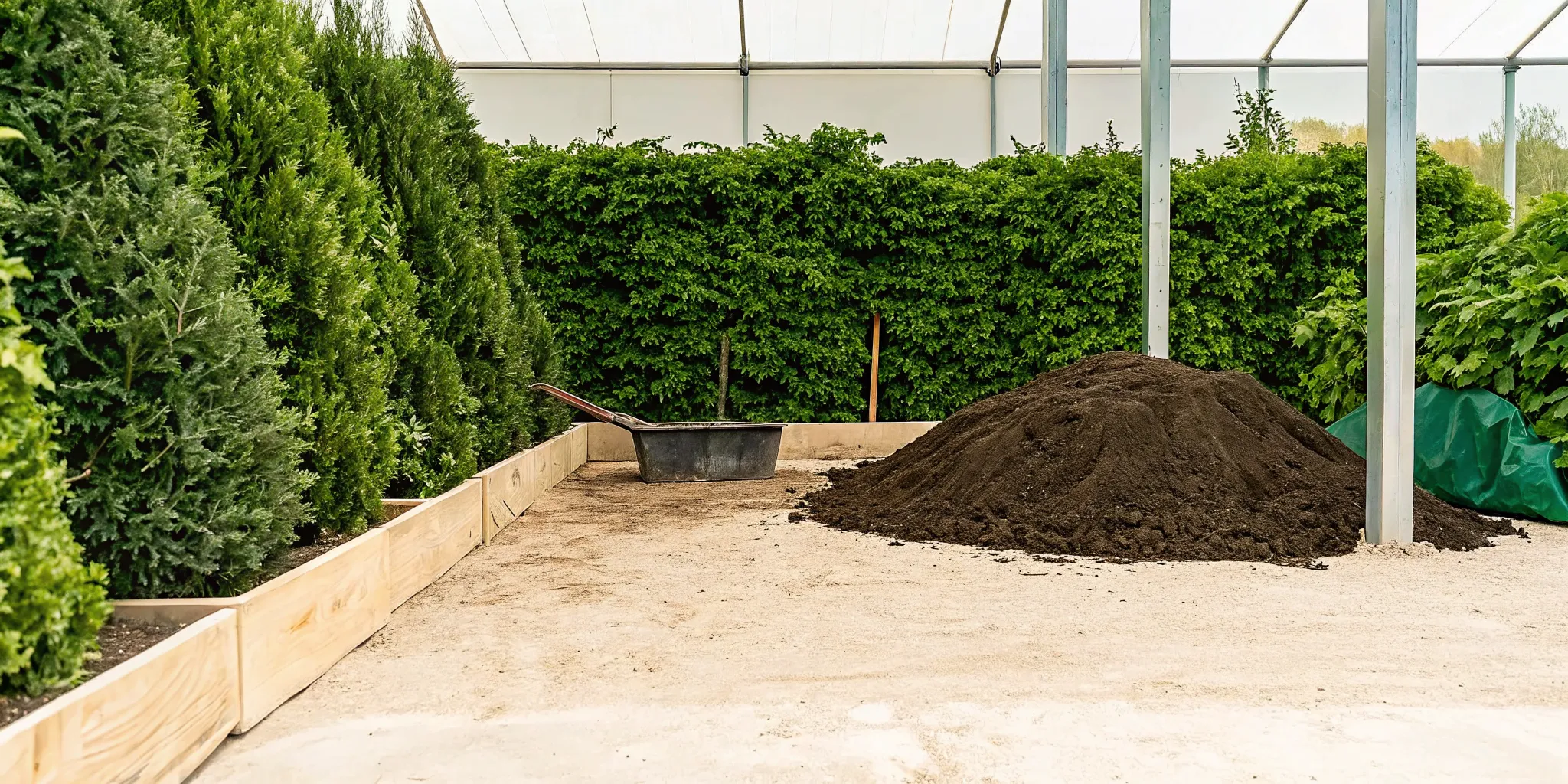
Compost is a powerful soil amendment that improves the physical state of your land. In North Texas, clay often stays too wet or gets too hard. Organic material helps by creating small gaps in the dirt. These gaps improve soil aeration and let air reach the roots. This process makes it easier for plants to take in water and nutrients. Over time, the soil becomes soft and rich instead of sticky and dense.
Adding organic matter also feeds the tiny life in your soil. Good bugs and fungi need compost to survive. As they eat the organic material, they help build better soil structure. This cycle keeps your garden healthy for a long time. It is much better than just using plant food from a bag. When you are choosing between compost and bedding soil, think about how much you need to fix your existing clay.
Texas clay can be hard for new plants to call home. Compost changes that by adding life and texture to the ground. It holds onto water during dry summers but lets extra rain drain away. This balance is key for a lush yard. Using compost is a natural way to make your soil the best it can be.
Mixing compost the right way
To get the best results, you must mix the compost deep into the earth. It is not enough to just spread it on top of the ground. You should work the compost into the top six to eight inches of your native clay. If you only put it in the hole when you plant, it can cause water problems. Mixing it well helps the roots move into the surrounding soil. This creates a stable home for your plants to grow and thrive.
Timing is also key for this seasonal process in North Texas. You should add your amendments before you put your plants in the ground. It is hard to mix compost into the soil once your garden is already growing. Doing this work in the spring or fall allows the soil time to settle. This prep work ensures your soil products have the biggest impact on your garden’s success.
Fast Facts: Amending Clay with Compost
- Aeration Boost: Mixing compost creates vital pore spaces for air and water to reach the roots.
- Biological Activity: Compost introduces beneficial microbes and fungi that naturally build soil structure.
- Depth Rule: Incorporate compost deeply (6 to 8 inches) rather than layering it on top to prevent the “pot effect”.
The Perfect Garden Soil Mix: Screened Topsoil, Compost, and Sand
Creating a good garden soil mix North Texas plants can thrive in takes a specific balance. Our local Blackland Prairie clay is thick and hard. It often lacks the space needed for deep root growth. To fix this, you must blend organic matter with parts that help air and water move through the ground.
Building the McCraw Garden Mix
The best garden soil mix North Texas owners use starts with three key parts. We use a base of 50% organic compost. We mix this with 25% washed river sand and 25% screened loam. This blend helps both the health and the feel of your soil. While the compost adds food for plants, the sand and loam keep the soil from turning into a hard block.
One key part of this mix is the washed river sand. We use sand screened to 1/4-inch fine. This helps provide both strength and drainage for the soil mix. Without sand, the organic parts in compost can break down too fast. This makes the bed sink over time. The sand stays in the soil to keep the clay from sealing shut.
Choosing Your Soil Options
Your project may need a specific blend of items. For new raised beds, our high-quality bedding soil is often the top choice. It is ready for plants right away. If you want to fix a large lawn, you might start with a topsoil and compost blend. This can help you save money while still improving the ground.
| Product Name. | Key Ingredients. | Ideal Use Case. | Clay-Busting Benefit. |
|---|---|---|---|
| Screened Topsoil. | Local loam, no debris. | Filling low spots or base layers. | Gives a clean mineral base. |
| Premium Garden Mix. | Compost, sand, and loam. | Vegetable and flower beds. | Boosts air and water flow. |
| Bulk Compost. | Old organic matter. | Mixing into old garden soil. | Adds life and food to soil. |
When you are choosing between compost and bedding soil, think about your soil depth. If you fill a new bed to 10 or 12 inches, a mix is safer than just compost. Pure compost can hold too much water in our wet months. This can cause root rot in the heavy clay pots of North Texas. A mix lets the water drain out better.
Mixing and Preparing the Bed
To get the best results, you must mix your new soil well with the native ground. Do not just lay new soil on top of hard clay. This can trap water at the bottom and hurt your plants. Tilling your new mix into the top few inches of the native clay helps the two layers join. This creates a path that lets roots grow deep into the ground without hitting a wall.
Fast Facts: The Ideal Soil Blend Formula
- The 50/25/25 Blend: The ultimate North Texas soil contains 50% organic compost, 25% washed river sand, and 25% tilled screened loam.
- Sand Quality: Use 1/4-inch fine washed river sand to sustain long-term drainage without packing down.
- Layer Integration: Always blend new soil mixes directly into the native clay base to promote deep root growth.
How do I Improve Drainage in Heavy Texas Clay?
Fixing drainage in North Texas clay takes more than just adding one material to the ground. Heavy Blackland Prairie soil acts like a sponge when wet and like a rock when dry. To turn this tough base into a great garden, you must change its physical build. Using a high-quality bedding soil helps break up the tight clay. This allows water to move through the root zone instead of sitting on top and causing rot.
The danger of the sand trap
Many people think that adding plain coarse sand or gravel will solve their drainage woes. But doing this can actually make the problem worse. According to the University of Georgia Extension, adding sand to heavy clay can create a layered soil profile that will not drain. In some cases, the sand fills the small gaps in the clay. This creates a mix that feels like cement. Instead of a loose garden soil mix North Texas plants love, you end up with a hard layer that blocks air and water.
Poor drainage is a top cause of plant loss in Van Alstyne and Anna yards. When water sits in the root zone for too long, it cuts off the air that roots need. Research from the University of Georgia shows that root diseases often start in wet, poorly draining soils. By fixing your soil build first, you protect your plants from these common health issues.
Steps for better clay drainage
To get the best results, you need to blend your new soil deep into the native earth. This ensures a smooth path for roots and water. Follow these steps to prepare your garden beds for success:
- Clear the area: Remove all weeds, grass, and large rocks from your site. This gives you a clean slate and ensures your new soil mix touches the clay below.
- Till the native clay: Use a tool to break up the top six to eight inches of soil. This helps loosen the tight Blackland Prairie clay and makes it easier to mix in new soil.
- Add organic matter: Spread a thick layer of compost or bedding soil over the tilled area. Organic matter helps the clay hold just the right amount of water.
- Blend well: Till the new soil into the loose clay. It is vital to mix amendments well rather than just layering them on top. A good mix prevents the “pot effect” where water gets trapped in one spot.
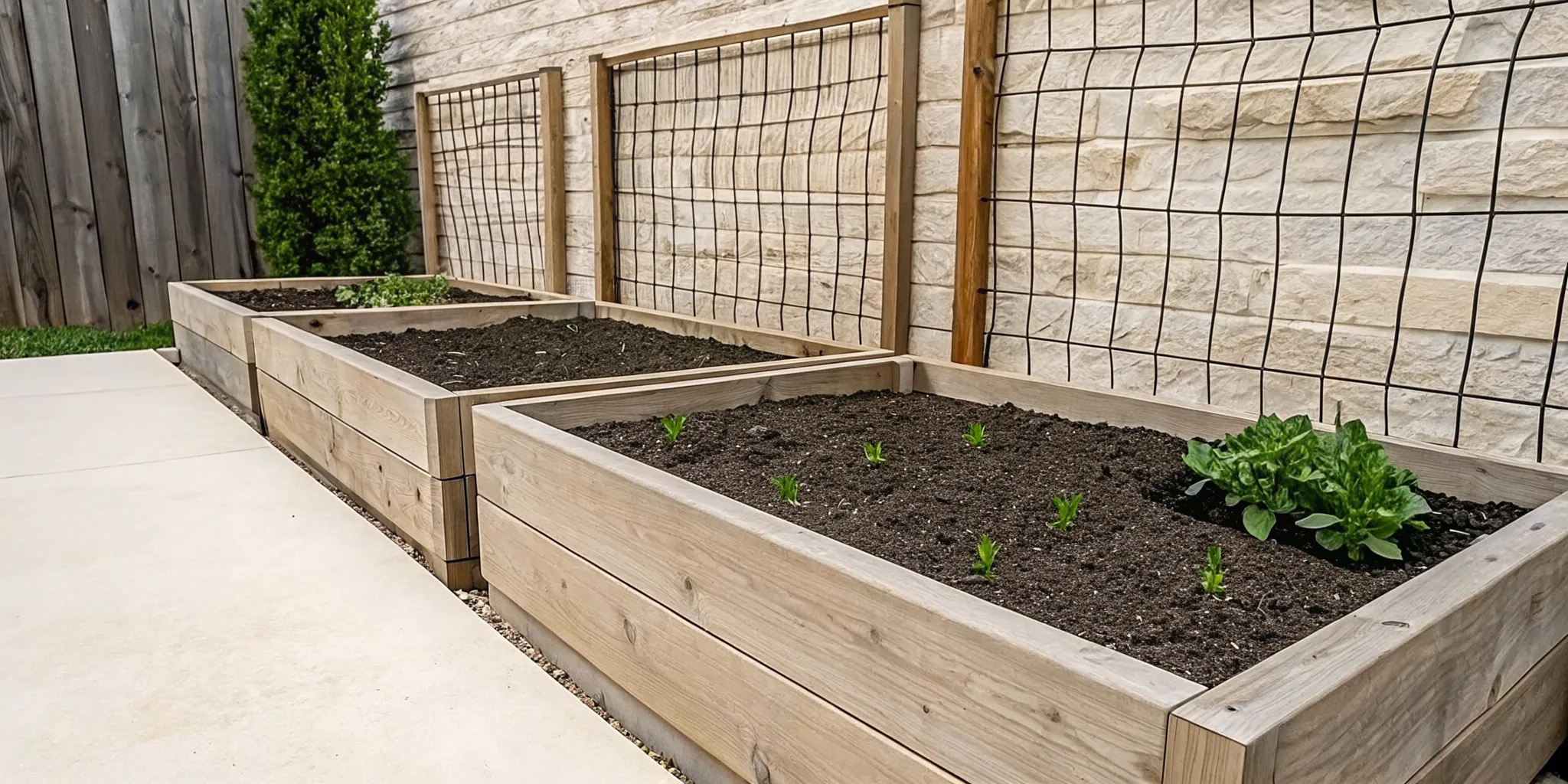
- Shape for runoff: Mound your new soil slightly to help extra water run off the surface. Raising the bed even a few inches can keep plant roots dry during heavy North Texas rain.
Choosing the right soil
When you need to fix a large area, buying soil in bulk is the best choice. At McCraw Landscape Supply, we give local gardeners the tools they need to beat the clay. When choosing between compost and bedding soil, think about what your plants need. Our bedding soil is a balanced mix that adds both build and food to your North Texas beds. It is the best choice for most local garden projects.
Fast Facts: Improving Clay Drainage
- Root Suffocation: Saturated soils cut off oxygen, leading to root rot and plant diseases.
- Correct Tilling: Work organic amendments deeply into the top 6-8 inches of native soil.
- Elevation Trick: Raise the garden bed slightly to encourage water runoff and keep root systems dry.
Calculating Your Soil Needs: From Cubic Yards to Bed Ratios
Planning a good garden in North Texas starts with getting the right amount of dirt. Whether you are filling new raised beds in Anna or prepping a yard for sod in Van Alstyne, knowing the volume is key. Using an online area calculator is the easiest way to avoid ordering too much or too little. Most bulk materials like a garden soil mix are sold by the cubic yard. One cubic yard covers about 324 square feet at a depth of one inch.
Measuring Depth for Raised Beds
Raised beds offer a great way to skip over heavy clay, but they need enough depth for roots to grow well. For a bed where you use soil as the only growing medium, aim for a depth of 10-12 inches. This planting mix depth ensures that vegetables and flowers have space to grow without hitting the hard ground below. If your beds are taller, you can use cheaper fill at the bottom and top it with a high-quality bedding soil for the root zone.
Prepping for New Sod
If you are laying sod instead of planting a garden, your soil needs will change. For the best grass root growth, you should spread a 2-4 inch layer of planting mix over your bare soil. It is best to mix this new layer with the top few inches of your native earth before you lay the turf. This method helps the roots knit into the ground. It also prevents the sod from drying out during hot North Texas summers. You can find many choices on our soil category page to get your yard ready.
Converting Area to Cubic Yards
To find the total cubic yards you need, multiply your square feet by your depth in feet, then divide by 27. For example, a 100 square foot bed at 12 inches (one foot) deep needs about 3.7 cubic yards. Measuring your space first ensures you buy enough for the job. Getting the right choice between compost and bedding soil will also affect how your plants grow. Proper checks save time and keep your project on budget.
Knowing your ratios is also vital for plant health. Most North Texas gardens do best with a blend that adds air and drainage to the soil. If you are mixing your own, aim for a mix of one part compost to two parts topsoil for most beds. This ratio provides plenty of food for plants while keeping the cost low for large areas. Always check your math twice before you call for a delivery to your home or job site.
Fast Facts: Bulk Soil Calculations
- Cubic Yard Rule: One cubic yard of bulk material covers 324 square feet at a 1-inch depth.
- Bed Ratios: Mix one part compost to two parts topsoil for general planting success.
- Depth Target: Maintain a 10-12 inch soil depth in raised beds for optimal root development.
- Sod Base: Layer 2-4 inches of premium planting mix over bare earth before laying new turf.
Frequently Asked Questions
Can I plant directly into North Texas clay without amending it?
Most plants struggle to grow in the heavy Blackland Prairie clay found in North Texas. This soil holds too much water and lacks the space roots need to breathe. Local experts say poor drainage often leads to root disease. You should mix in organic matter like compost to break up the clay before you start planting. This step helps your plants stay healthy and grow strong.
What is the 70/30 soil rule for gardening?
The 70/30 rule is a simple guide for mixing garden soil. It suggests using 70 percent screened topsoil and 30 percent organic compost. This mix provides a good balance of structure and food for your plants. In North Texas, you may also need to add washed river sand to help with drainage. Using this ratio ensures your garden soil mix in North Texas has the right build for heavy clay areas like Anna and Van Alstyne.
How deep should I fill my raised garden beds with soil mix?
You should fill your raised beds to a depth of 10 to 12 inches if you are using the mix as the only growing base. This depth provides enough room for most garden and flower roots to spread out. For best results, you can also mix a few inches of new soil into the native clay below the bed. Based on local soil rules, this depth supports strong root growth.
Is it better to use compost or bedding soil for garden beds?
Choosing between compost and bedding soil depends on your goals. Compost adds food and helps feed your plants over time. Bedding soil is a ready-to-use mix that already contains topsoil and organic matter. For most garden beds in North Texas, using a high-quality bedding soil is the easiest way to start. It provides the drainage and structure needed to counter heavy clay. You can find more tips on choosing between compost and bedding soil online.
Ready to grow a healthy garden in North Texas clay?
If you wait to fix your soil, you risk losing your plants to the heavy North Texas clay. Hard soil prevents roots from getting the water and air they need to grow deep. By starting your project now, you give your garden the best chance to thrive before the summer heat arrives. Getting the right mix today means you can plant sooner and see better results in just a few weeks. You can avoid the stress of poor results by choosing a good mix that works with our local land. Our team will help you find the right amount to start planting this week.
Ready to request your soil? Call (903) 327-2231 to visit McCraw Landscape Supply in North Texas or call to schedule a bulk delivery.
