North Texas heat puts planted beds under steady pressure from sun, wind, and changing moisture. Choosing mulch is not only an appearance decision. The material should fit the plants, the soil, the drainage, and the amount of maintenance you can manage.
Contact McCraw about your landscape material and delivery needs.
For many North Texas flower beds, tree rings, and shrub areas, organic wood mulch is a practical starting point. It can help reduce bare-soil evaporation, moderate soil temperature, limit weed growth, and add organic matter as it breaks down. Rock or gravel may be a better fit for paths, non-planted areas, xeriscapes, and selected plantings that need sharper drainage. The best mulch depends on the job the landscape needs to do, so there is no universal winner.
What Makes the Best Mulch for North Texas Heat?
The best mulch for North Texas heat helps cover exposed soil, manage moisture, and protect the planting area without creating a new maintenance problem. Organic mulch is often a strong starting point when cooler soil, water conservation, weed suppression, and gradual soil improvement are priorities. The right choice still depends on the plants, the site, the drainage, and the desired finish.
North Texas landscapes can move quickly between hot, dry conditions and heavy rain. A suitable mulch layer creates a buffer between the soil surface and direct sun and wind. It can help water remain available longer between irrigation or rainfall, while reducing temperature swings at the soil surface. Texas A&M AgriLife Water University recommends a 2 to 4 inch range for most mulch applications, with care around trunks and stems.
Start with the planting area rather than the color of the material:
- Trees, shrubs, and perennial beds: Organic wood mulch or bark is often a practical fit when soil coverage and moisture management matter.
- Water-wise or succulent plantings: Consider whether the plants prefer sharper drainage and less moisture retention before choosing a material.
- Paths and non-planted areas: Rock or gravel can provide a defined surface without the seasonal breakdown of organic mulch.
- Any landscape bed: Leave room for airflow, keep the material away from trunks and stems, and plan for seasonal inspection.
The right mulch balances cooling, moisture management, plant health, appearance, and practical upkeep. It should support the landscape plan rather than force every part of the property to use the same material.
Which Mulch Materials Work Best in Hot North Texas Landscapes?
Hardwood, cedar, pine bark, compost, and rock can all serve different purposes. Compare how each material behaves in the planting area, how it fits the plants, and how often you are willing to replenish or clean the surface.
| Material | When it can fit | What to consider |
|---|---|---|
| Hardwood mulch | Flower beds, tree rings, shrub areas, and perennial plantings | Helps cover soil and moderate surface conditions; it gradually breaks down and needs periodic attention. |
| Cedar mulch | Planted beds where a wood-based surface and a different texture are desired | Match the material to the plants and confirm current product details before ordering. |
| Pine bark | Ornamental beds and locations where texture and airflow are important | Coarser pieces and fine pieces behave differently, so apply the material according to its texture. |
| Compost | Projects where adding organic matter is part of the soil-management plan | Confirm the product and intended use before applying compost as a surface mulch. |
| Rock or gravel | Paths, non-planted zones, xeriscapes, and selected drainage-friendly plantings | Consider surface heat, drainage, debris, edging, and the fact that rock does not add organic matter as it breaks down. |
Hardwood or bark is often the balanced choice for established trees, shrubs, and perennial beds. Cedar and pine bark add options when texture, appearance, or the planting area’s conditions guide the decision. Compost can support a soil-improvement plan, but it should not be treated as a universal decorative cover. Rock and gravel can be useful in the right setting, but they are not a one-for-one replacement for organic mulch in planted beds where cooler, moisture-holding soil is a priority.
Review McCraw’s mulch category for current material options, and see the hardwood mulch product page when hardwood is a fit for your project.
For a homeowner, that comparison can be as simple as identifying the planting area and deciding whether moisture conservation or sharper drainage is the priority. Contractors and builders may also need a consistent material across several beds, an easy delivery plan, and a surface that matches the owner’s maintenance expectations. Confirm the product’s current availability and intended use before ordering, especially when a project combines planted beds, paths, and hardscape edges.
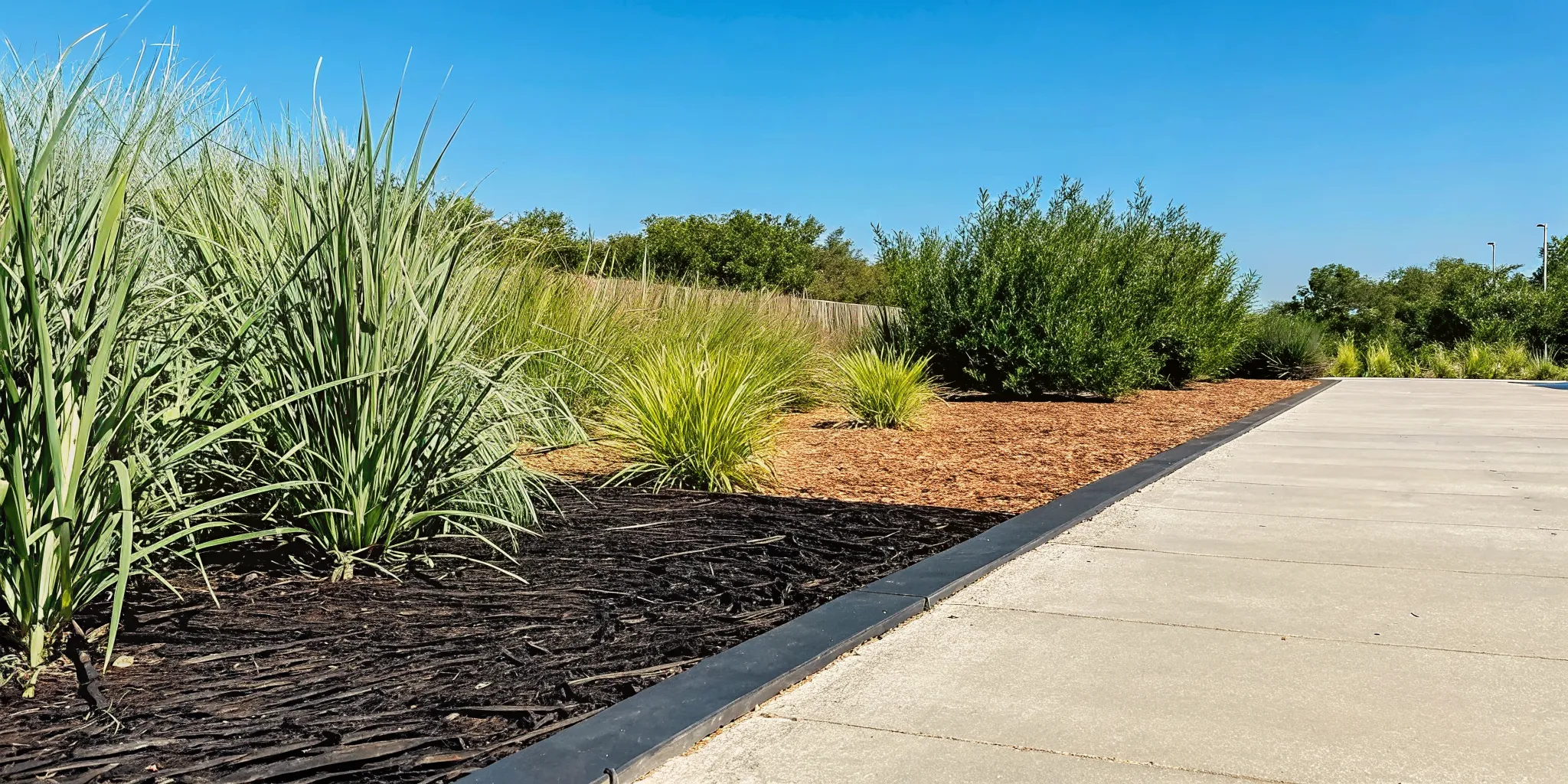
How Does Organic Mulch Conserve Water and Protect Soil?
Organic mulch covers bare soil so less of the surface is directly exposed to sun and wind. That barrier can reduce evaporation and help the soil hold moisture longer between watering and rainfall. Mulch supports a watering plan, but it does not replace appropriate irrigation, drainage, or plant selection.
Organic material also helps moderate the soil environment. It can reduce sharp temperature changes at the surface, limit crusting, and reduce the impact of rain striking bare soil. As wood or bark breaks down, it contributes organic matter to the planting bed. That gradual change can support soil structure and water-holding conditions, especially where heavy clay makes planting and drainage more difficult.
- Water: Less direct exposure can help slow evaporation from bare soil.
- Weeds: A correctly applied layer blocks light at the soil surface and can reduce weed pressure.
- Temperature: Organic mulch buffers the soil surface from heat and daily temperature swings.
- Soil: Decomposing organic matter can contribute to soil structure over time.
Inspect the bed as the material settles. Replenish organic mulch when coverage becomes thin, and avoid adding new material over a dense layer or piling it against plant bases.
When Is Rock or Gravel a Better Ground Cover?
Rock or gravel may make sense for a path, a non-planted area, a xeriscape design, or a planting that needs sharper drainage. It provides physical coverage without decomposing, which can suit a space where a more permanent surface is part of the plan.
In a planted bed, consider the afternoon sun, the surface temperature, and the plant’s moisture needs before choosing rock. Rock and gravel generally retain less moisture than organic mulch and may increase heat at the soil surface. They also do not add organic matter. Leaves and windblown debris can settle among the pieces, so the maintenance is different rather than absent.
- Choose it for: walkways, hardscape transitions, non-planted zones, and selected dry-climate plantings.
- Plan the edges: Use appropriate edging and site preparation to limit migration into soil or adjacent beds.
- Expect debris: Raking and removing leaves can be more involved when material is loose or irregular.
- Check plant fit: Do not place a heat-absorbing surface next to plants that need cooler roots without considering the exposure.
Rock and boulders are landscape design options, not products sold through McCraw’s website. Use the McCraw contact page for questions about material fit and current options.
How Deep Should Mulch Be During a North Texas Summer?
For most landscape applications, use a 2 to 4 inch layer, adjusting for the material’s texture and the needs of the planting. Finer material should not be applied so deeply that it packs tightly, while coarser material may need enough depth to provide consistent coverage. Follow plant-specific guidance when a tree, shrub, or perennial has different requirements.
- Measure the finished area. Record the length and width of each bed, account for irregular edges, and decide on the desired depth before ordering.
- Spread the layer evenly. Avoid bare patches, but do not bury edging, low foliage, or plant crowns.
- Keep bases clear. Pull mulch away from trunks, stems, and crowns. The surface should taper toward each plant rather than form a mound.
- Recheck after weather. Rain, irrigation, and foot traffic can move material. Rake displaced mulch back into an even layer instead of repeatedly adding more.
For planning help, use the McCraw area calculator to estimate the material needed for the measured space.
Depth is a coverage decision, not a reason to bury the bed. If an older layer is still present, check it in several spots before adding more. Pull settled material away from trunks and stems, loosen compacted areas where appropriate, and correct drainage or edging issues first. A measured, even application is easier to water, inspect, and maintain than a mound that looks deep in one place and thin in another.
How Should You Choose Mulch for Your Landscape Project?
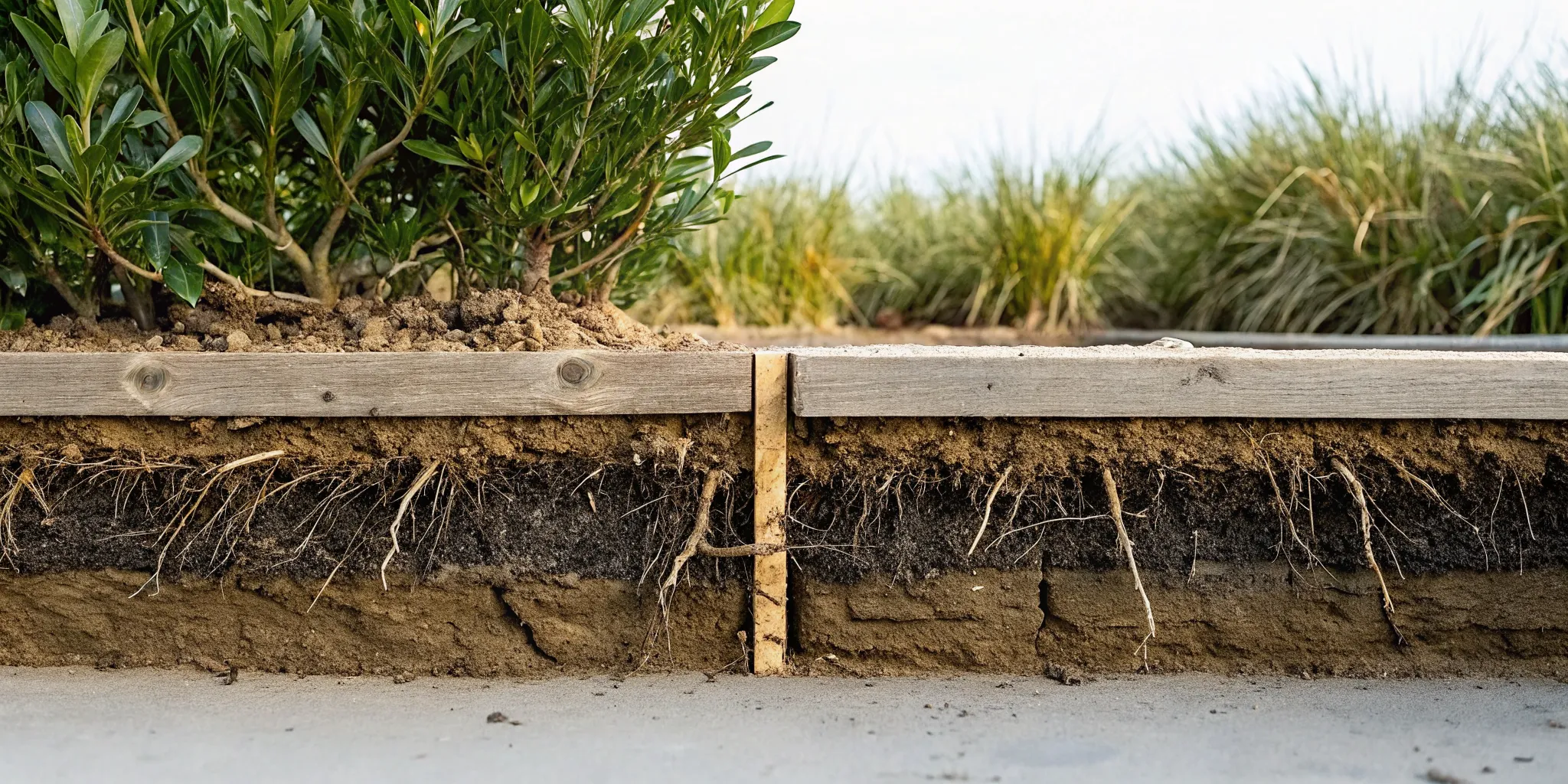
Choose mulch by what the planting needs, how much moisture you want to hold, how much maintenance you can manage, and how often you are willing to replenish the surface. A sunny shrub bed may need a different solution than a dry path or a succulent planting.
- Start with the plants: Use organic wood mulch for many trees, shrubs, and perennial beds when moisture conservation and soil-temperature moderation are priorities.
- Match the drainage: Consider rock or gravel only when the planting, drainage, design, and surface-heat conditions fit the space.
- Plan the quantity: Measure the bed and use the area calculator before ordering.
- Compare purchase options: Review McCraw’s bulk versus bagged mulch comparison when deciding how to source material.
- Use delivery as the next step: For a larger bed or job site, contact McCraw through the online contact page to confirm current product availability and delivery details.
Contractors and builders can also consider consistency across the site, access for placement, and the client’s maintenance expectations. Homeowners should choose a material that supports plant health and fits the upkeep they can realistically provide.
Ready to plan the order? Contact McCraw through the online contact page to discuss product availability and delivery for your North Texas project.
Frequently Asked Questions
What is the best mulch for North Texas heat?
For many planted beds, organic wood mulch is a practical starting point because it can reduce bare-soil evaporation and moderate soil temperature when applied correctly. The best choice depends on the plants, drainage, appearance, and maintenance plan.
Does mulch help reduce watering?
Mulch can reduce direct evaporation from bare soil and improve water-holding conditions, but it does not replace appropriate irrigation or plant selection.
Is hardwood mulch a good choice for North Texas?
Hardwood mulch can be a practical option for many flower beds, tree rings, and shrub areas. Apply it at the recommended depth, keep it away from trunks and plant crowns, and confirm current product details before ordering.
Is rock or gravel better than mulch?
Not for every space. Rock or gravel can fit paths, non-planted areas, xeriscapes, and selected drainage-friendly plantings. Organic mulch is often a better starting point for planted beds where moisture conservation and soil-temperature moderation matter.
How much mulch do I need?
Measure the length and width of the area, decide on the application depth, and use the McCraw area calculator to estimate the material needed.
Need help choosing a material or planning delivery? Contact McCraw Landscape Supply with your project details.
