Dull grey mulch drags down even the most expensive North Texas landscaping. Call McCraw Landscape Supply today to refresh your beds with rich dyed hardwood mulch that gives your home instant curb appeal and lasts through the summer. You just need to decide which shade works best with your brick and stone.
Contact us today at McCraw Landscape Supply for premium dyed hardwood mulch delivered to Van Alstyne, Anna, and all North Texas communities.
Choosing the right dyed hardwood mulch for your yard depends on your specific goals for color life. Soil heat control, and the overall style of your North Texas property. Black dyed mulch uses carbon black to stay dark for up to eighteen months, while red mulch uses iron oxide that often fades in three to six months. Research shows that black mulch can raise soil heat levels by fifteen degrees, which means you must keep it away from plant stems during the hot Texas summer. While red mulch can stain concrete, the premium black mulch at McCraw Landscape Supply offers a safer and longer lasting way to boost curb appeal in Van Alstyne and Anna.
Learning how these colors react to the weather is just the first step in planning your project. You also need to know the facts about what makes dyed hardwood mulch different from natural mulch so you can pick the best product for your soil. Let’s compare the options so you can make a confident choice.
What Makes Dyed Hardwood Mulch Different From Natural Mulch?
Dyed hardwood mulch is standard hardwood mulch that has been treated with a water-based dye or pigment to produce a consistent, long-lasting color. Natural mulch relies on the raw wood itself for color, which typically fades to grey or light brown within a few months of sun exposure. The dye creates a stable color layer that resists UV breakdown and stays uniform across an entire batch. Making dyed mulch the better choice for curb appeal that must last through a North Texas summer.
Quick Takeaways
- Dyed hardwood mulch uses water-based dyes to offer a uniform look that lasts up to 18 months.
- Natural mulch relies on the raw wood aging, which fades to a gray or light brown color much faster.
- Most dyes are non-toxic, but you should choose a trusted supplier to avoid lower-grade wood waste.
Pick your mulch based on the look you want for your yard. If you need a clean color that stays bright through a hot Texas summer, black mulch is a great choice. It uses carbon black dye to keep its dark tone much longer than raw wood. Natural mulch has its own charm, but it will start to look gray or dull after just a few months of sun. Get a quote from us in Van Alstyne to see the difference for yourself.
How does wood get its color?
Dye machines spray the wood with a mix of water and safe colorants. Black mulch uses carbon black, while red options use iron oxide. Brown mulch often uses a mix of both. These dyes are stable and do not wash away easily. They help hide the fact that the wood underneath may not all be the same type. This gives you a neat look across your entire garden bed. Natural mulch does not get this treatment, so its color comes only from the type of tree used.
Is dyed mulch safe for your soil?
Many people worry about dye safety, but the risk is low. Carbon black is a common dye that poses more of a breathing risk during the making of the mulch than a risk to your plants. Most modern dyes are water-based and non-toxic once they dry on the wood. But some dyed mulches are made from old wood waste like pallets. This is why you should buy from good sources that use fresh hardwood. We make sure our mulch is safe for your soil and family.
Why pick dyed over natural?
Pros choose dyed hardwood mulch because the color stays the same. If you have a large project in Anna or Sherman, you want every yard of mulch to match. Natural mulch can vary from bag to bag or load to load. Dyed mulch stays bright for 12 to 18 months, which means you spend less time and money to fix it. Natural mulch may need a new layer sooner to keep that fresh wood look. Contact us today to get a quote on delivery for your next project.
Black Mulch vs. Red Mulch vs. Brown Mulch: How Do the Colors Compare?
Each dyed hardwood mulch color uses a different pigment base that directly affects how long it stays vibrant. How much heat it absorbs, and whether it risks staining your hardscaping. Black mulch uses carbon black for maximum UV resistance lasting 12-18 months, brown uses a blended dye lasting 6-12 months. And red uses iron oxide that typically fades to pink or grey within 3-6 months. Understanding these differences helps you pick the right color for your North Texas home without wasting money on a color that fades before the season ends.
Quick Takeaways:
- Black mulch lasts the longest (12-18 months) and fits modern home styles.
- Brown mulch looks the most natural but fades faster than black.
- Red mulch fades the quickest and can leave permanent stains on concrete.
Compare the main types of dyed hardwood mulch to find the right look for your yard. Each color uses a different dye base. This changes how long it lasts and how it reacts to the sun. While black mulch is a top choice for its deep contrast, other colors like red and brown might fit your home style or soil needs. Before you buy, use our area calculator to see exactly how many yards you need for your project.
Which mulch color lasts the longest?
Color life is a big factor when you pick a dyed hardwood mulch. Black mulch typically keeps its dark shade for 12 to 18 months because it uses carbon black dye. This dye is stable under UV light from the sun. In contrast, red mulch uses iron oxide. It tends to fade to a dull pink or gray in just 3 to 6 months. Brown mulch often uses a mix of dyes and usually stays bright for about 6 to 12 months before it needs a refresh.
If you want a bold look that stays sharp through the North Texas heat, black mulch is the clear winner. You can buy black mulch directly from us for a long-lasting finish. Keeping the color fresh helps your curb appeal stay high. Most people find that a deep black bed makes green plants and colorful flowers stand out much better than faded red or light brown options.
How does mulch color affect soil heat and staining?
The color of your mulch does more than just look good. It also changes the heat of your soil. Dark colors like black absorb more light and can raise soil temps by 10 to 15 degrees on sunny days. This is helpful in the early spring but means you should keep the mulch an inch or two away from plant stems in the summer.
You also need to think about your hardscaping. Red mulch has a high risk of staining concrete driveways and stone paths. These stains can be hard to remove or even permanent. Black mulch has a moderate risk, and brown is the safest for light stone. Order black mulch for a sharp look, but always spread it on a dry day to let the dye set into the wood before the first rain hits. This simple step protects your walkways and keeps the color in the beds where it belongs.
| Mulch Color | Color Life | Heat Impact | Staining Risk | Best Home Style |
|---|---|---|---|---|
| Black | 12-18 Months | High (+10-15F) | Moderate | Modern & Contemporary |
| Brown | 6-12 Months | Minimal | Low | Universal & Natural |
| Red | 3-6 Months | Moderate | High | Brick & Traditional |
What is the best color for your home?
Pick a color that matches your house and your style. Black mulch works best with modern homes that have gray, white, or black trim. It creates a clean, neat line that makes your yard look professional. Red mulch is a classic choice for homes with red brick or tan siding, as it makes green leaves look very bright. Brown mulch is the most natural-looking option. It mimics the look of a forest floor and is a safe choice if you want your yard to blend in with the local North Texas landscape.
No matter which you choose, the goal is to protect your soil and keep moisture in the ground. Our heavy North Texas clay can get very hard in the summer, so a thick layer of mulch is a must. If you are not sure which style fits your yard, you can check our bulk mulch delivery guide for more tips. We can help you pick the best product for your home in Van Alstyne or Anna and get it delivered right to your door.
Which Dyed Mulch Color Works Best With North Texas Brick Homes?
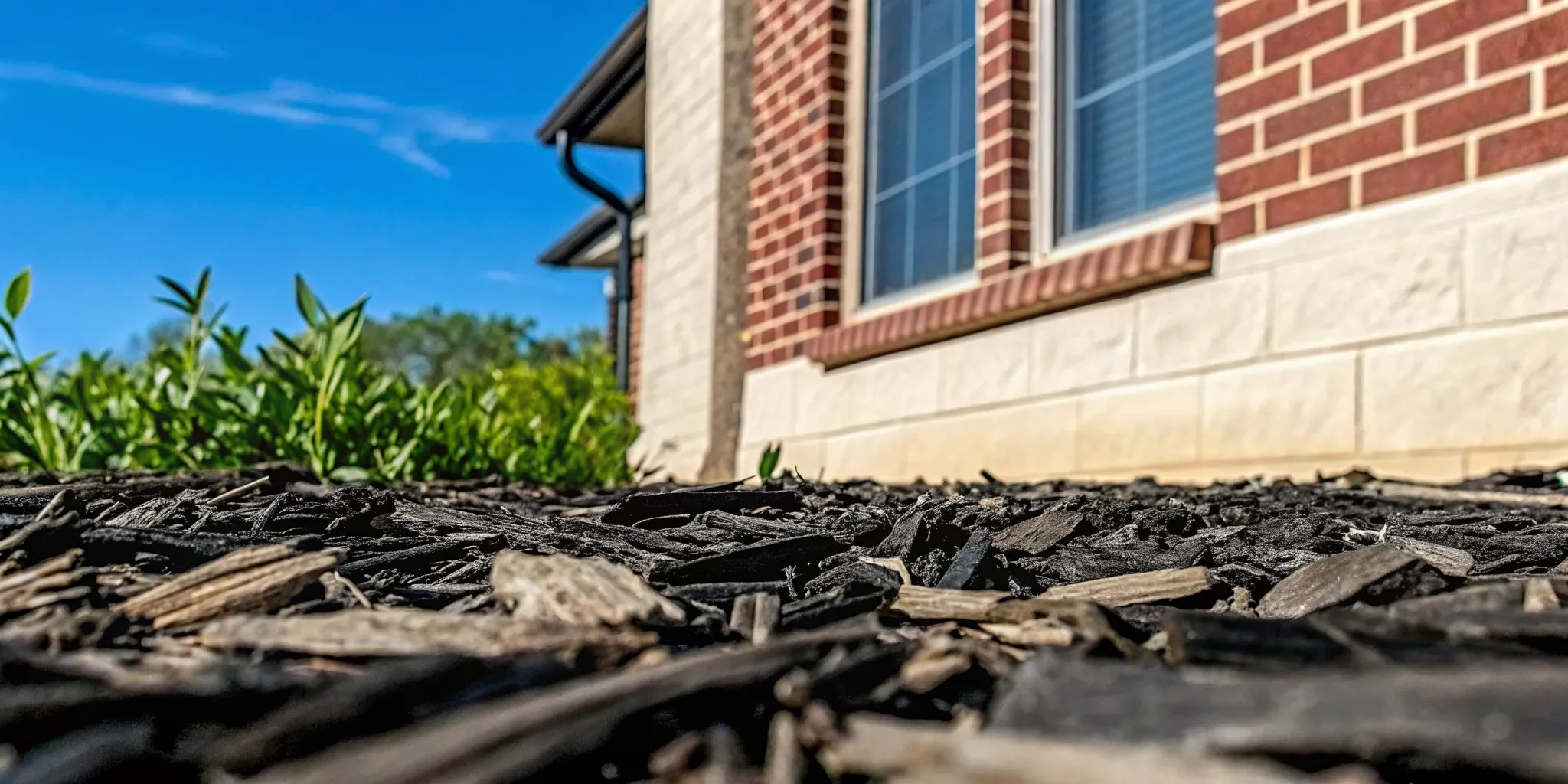
North Texas neighborhoods in Van Alstyne and Anna are full of red brick homes and light stone houses. And the mulch color you choose either complements or clashes with that brickwork. Black mulch creates a sharp modern contrast against red brick, making flower beds pop. Red mulch blends with brick tones for a cohesive traditional look. Brown mulch offers the safest neutral choice that works with any home style and appeals to the widest range of home buyers. Making it ideal if you plan to sell.
Quick Takeaways:
- Black mulch offers high contrast for modern homes and simple yard plans.
- Red mulch fits red brick homes and makes green leaves stand out.
- Brown mulch is a safe, natural pick that most home buyers like.
- Mulch helps North Texas clay soil hold water and stay cool in the summer.
Matching black mulch with modern home styles
Black mulch is a top pick for modern homes and simple yard plans. It creates a bold look that makes bright flowers and green leaves stand out. This color works well with light stone walls and dark trim. If you want a clean and sharp yard, use black mulch to highlight your plants.
In the local Blackland Prairie area, the soil is often heavy clay. This soil needs organic parts to hold water and stay healthy. Black dyed mulch stays dark for about 12 to 18 months, which is longer than other types. Use our area calculator to see how much you need for your job.
Using red and brown mulch for classic brick homes
Red mulch is a classic pick that matches well with red brick bases. It helps the house feel like it belongs in the yard. This color makes green plants pop and stays bright for three to six months. It is a good option for older homes in known North Texas areas.
Brown mulch is the safest pick if you plan to sell your home soon. Most people like the natural look of brown dyed hardwood mulch because it looks like real wood. It stays colorful for up to one year and works with almost any house color. Contact us today at McCraw Landscape Supply to get a quote for mulch delivery.
Why mulch matters for North Texas soil health
Hot Texas summers can be hard on your plants and soil. Mulch is a must-have to keep the ground cool and hold in water. Dark mulches can pull in heat, so keep a small gap between the mulch and your plant stems. This simple step helps protect your yard during the hottest months of the year.
Does Dyed Mulch Last as Long as Natural Mulch in Texas Heat?
Yes, quality dyed hardwood mulch outlasts natural mulch in North Texas conditions because the dye pigments provide UV protection that raw wood lacks. Carbon black, the pigment used in black dyed mulch, is highly stable under sunlight and keeps the wood looking fresh for 12 to 18 months. Natural untreated wood begins turning grey within two to three months of sun exposure and loses its aesthetic appeal long before the wood itself decomposes.
Quick Takeaways:
- Black dyed wood stays dark for 12 to 18 months.
- Dyes like carbon black fight the sun better than natural wood.
- Texas heat and rain rot wood even if the color stays.
- Add a new layer once per year for the best look.
Request a quote for mulch delivery today to refresh your yard. Many people worry that dyed wood will fade fast in the North Texas sun. But dyed hardwood mulch can stay bright longer than natural wood. Raw wood turns gray in just a few months. Dyed wood uses special color to stay rich for a long time.
How sun protection keeps color deep
The dye on our wood is tough. It uses carbon black, which is very stable in the sun. This dye helps the wood fight off the light that makes colors dull. Because of this, black mulch can keep its look for 12 to 18 months. Natural wood is good for the soil, but it often loses its brown look by the first big rain.
Quality dyed hardwood mulch can handle the high heat in Van Alstyne and Anna. Carbon black is a strong pigment that does not break down fast. It sticks to the wood to stay in place. This makes it a great pick if you want a yard that stays fresh for a full year.
How long do different colors last?
Not all colors last the same time in the sun. Black is the best choice for long life. It can last up to 18 months before it looks dull. Brown dyed wood is also strong. It stays dark for 6 to 12 months. Red wood fades the fastest. It may only last 3 to 6 months in a North Texas yard.
Texas heat and rain can speed up how fast the wood rots. Even if the color stays, the wood will break down over time. This is why we suggest a new layer every two seasons. Use our area calculator to see how much you need to fill your beds. Keeping the layer thick helps keep the ground cool during hot July days.
When should you add more wood?
You should check your yard once a year. Most yards in our town need a new layer after 12 months. This keeps the color sharp and helps your plants. Adding a small layer on top is often enough. This keeps the mulch selection looking like new. It also helps hold water in the heavy clay soil found here.
How to Install Dyed Mulch for Maximum Curb Appeal
Getting the most out of your dyed hardwood mulch depends on proper installation: clear the bed, edge the borders. Spread to a consistent 2-3 inch depth, and leave a gap around plant stems and tree trunks. Following these steps keeps the color uniform, prevents heat damage to plants, and stops weeds from competing with your landscaping. A well-installed mulch bed can maintain its fresh look for a full year with minimal touch-up.
Quick Takeaways:
- Clear all weeds and edge your beds before you start spreading.
- Spread your mulch at a depth of 2 to 3 inches for the best results.
- Keep the mulch away from tree trunks to prevent rot and pests.
Spreading dyed hardwood mulch is a great way to boost your curb appeal. In North Texas towns like Van Alstyne, our heavy clay soil needs help. Blackland Prairie clay can pack down hard and make it tough for roots to grow. Adding a fresh layer of mulch keeps your plants healthy during the hot summer. Contact us today to find the best mulch for your yard.
Preparing Your Landscape Beds
Before you start, you must clear the area. Remove all weeds and old grass from your garden beds. Edging the borders with a spade creates a clean look. This helps your black mulch stand out and stay in place. A sharp edge stops grass from growing into your beds.
You can Get a quote for bulk mulch by calling McCraw Landscape Supply. We help homeowners in Anna and the surrounding areas get good supplies. Our team can bring the mulch right to your home or job site.
Spreading the Mulch
When you spread your dyed hardwood mulch, aim for a depth of 2 to 3 inches. This depth helps keep the soil cool and stops weeds. Experts at Texas A&M AgriLife suggest this depth for the best growth in our climate. If you go too deep, you might block air from the roots.
Be sure to leave a gap around your plants. Do not pile mulch against tree trunks or home siding. This volcano mulching can cause pests and rot. Use our area calculator to find out how much you need. One cubic yard covers about 100 square feet at a 3-inch depth.
- Clear the bed. Remove weeds and old debris to make a clean surface for your new mulch.
- Edge the borders. Cut a sharp line along the grass to keep the mulch in place and create a pro look.
- Use landscape fabric. You may want a barrier if you have a lot of weeds, but some skip this to help the soil breathe.
- Spread the mulch. Use a rake to spread the dyed hardwood mulch at a depth of 2 to 3 inches across the bed.
- Leave a gap. Keep the mulch a few inches away from stems and trunks to let the plants breathe and stay dry.
- Water lightly. Spray the mulch with water to help it settle and set the dye so it stays bright for a long time.
- Maintain the look. Refresh thin spots and stir the top layer of your mulch 2 to 3 times per year to keep the color bold.
How Much Dyed Mulch Does Your North Texas Project Need?
A standard North Texas landscape bed requires about one cubic yard of dyed hardwood mulch for every 100 square feet at the recommended 2 to 3 inch depth. Measuring your beds first saves you from buying too little or too much. Use our free area calculator on the McCraw Landscape Supply website to enter your bed dimensions and get an instant yardage estimate before you call.
Quick Takeaways
- One cubic yard covers 100 square feet at a three-inch depth.
- Use the online tool to find your total yardage fast.
- We ship to Van Alstyne, Anna, Sherman, and McKinney.
- Black dyed mulch costs $50 per cubic yard.
Before you buy, you must know how much black mulch to get. A good rule is that one cubic yard covers about 100 square feet. This math works best if you spread the wood at a depth of three inches.
Most North Texas yards do well with two to three inches of cover to keep moisture in the soil. You can use our area calculator to get a fast count. Just put in your bed size, and the tool will show you what you need. Contact us today if you need help with your mulch count.
Why depth matters in North Texas
Our Blackland Prairie soil gets very hot in the summer. A thick layer of dyed hardwood mulch helps keep roots cool. If you use too little, the sun will dry out the ground fast. But if you use too much, it can trap too much water.
Stick to the two to three inch range for the best results in towns like Van Alstyne and Anna. This depth helps the soil stay damp and blocks weeds from growing. It also keeps your plants safe from the harsh Texas heat.
Measure your garden beds first
To use the tool, you must measure your beds. Use a tape to find the length and width of each spot. For round beds, find the widest part. It is better to have a bit too much than too little.
Our black dyed mulch costs $50 for each cubic yard. This price gives you a rich, dark look that lasts for a long time. If you have large beds in Van Alstyne or Anna, you may need many yards of wood.
Plan for your mulch delivery
Once you have your count, think about how to get the load to your home. You can pick up your mulch at our yard, or we can bring it to you. We offer fast help when you contact us from Sherman, McKinney, or other nearby towns.
A full yard of mulch is heavy, so a truck is best for pickup. If you have a big project, our team can drop the load right in your driveway. This saves you time and hard work on your next landscape job.
Frequently Asked Questions
What are the disadvantages of dyed mulch?
One main drawback is that dark mulches like black absorb a lot of heat. On sunny days, this can raise soil heat levels by 10 to 15 degrees. This heat may stress young plant roots if the mulch touches the stems. Some dyed products made from old wood waste might also contain toxins from treated lumber. You should also watch for color stains on light stone or concrete paths.
Does dyed mulch stain concrete or pavers?
Yes, dyed mulch can leave permanent stains on paving like driveways and stone paths. Red mulch poses the highest risk for staining. Black mulch has a medium risk, while natural brown mulch is the safest choice for areas near concrete. You should avoid spreading these materials right before a heavy rain to help stop the color from washing onto your paths.
How long does dyed hardwood mulch last before fading?
Black dyed hardwood mulch lasts the longest at 12 to 18 months. Brown mulch stays vibrant for 6 to 12 months. Red mulch fades the fastest, typically losing its color in 3 to 6 months. The actual lifespan depends on sun exposure, rainfall, and the quality of the dye used. Premium products with carbon black pigment hold their color longer in North Texas conditions.
Should I choose dyed mulch or natural mulch for my garden?
Choose dyed mulch if curb appeal and consistent color are your priorities, especially for front yards and visible landscape beds. Choose natural mulch for vegetable gardens, shaded areas where color does not matter, or beds where soil enrichment is the primary goal. Both types provide the moisture retention and weed suppression that North Texas gardens need.
Is dyed mulch safe for vegetable gardens?
Most modern water-based dyes used on hardwood mulch are non-toxic once dry. However, the source of the wood matters more than the dye. Some dyed mulches are made from recycled pallets or construction waste that may contain chemicals. For vegetable gardens, we recommend undyed natural hardwood mulch as the safest option to avoid introducing anything questionable into your soil.
Does dyed mulch wash away in heavy rain?
The dye itself can bleed slightly during the first heavy rain if the mulch was spread recently, but the wood pieces stay in place. To prevent dye runoff, install your mulch on a dry day and let it cure for 24 to 48 hours before heavy rain is expected. The color that does wash off is typically harmless and will not damage your soil or plants.
Ready to Transform Your Landscape With Premium Dyed Hardwood Mulch?
Choosing the right dyed hardwood mulch for your North Texas home comes down to matching color longevity, heat performance, and staining risk with your home style and project goals. Black mulch leads in longevity at 12-18 months and gives modern homes a sharp, professional look. Brown mulch offers a natural appearance that works universally. Red mulch provides classic warmth for brick homes but fades faster and stains more easily.
At McCraw Landscape Supply, we stock premium dyed hardwood mulch in black, red. And brown options ready for pickup or delivery to Van Alstyne, Anna, Sherman, McKinney, and surrounding North Texas communities. Use our area calculator to estimate your yardage, then give us a call to schedule your delivery.
Contact McCraw Landscape Supply today for the best dyed hardwood mulch in North Texas. Our team is ready to help you choose the right color and get it delivered to your door.
