A gravel project gets expensive fast when the measurements are off. Before you order for a driveway, path, or walkway in North Texas, measure the area, choose a realistic depth, and select the right material. That approach helps homeowners plan confidently. It gives contractors a cleaner number for job costing.
Contact McCraw Landscape Supply for a gravel quote. Tell us your dimensions and we will help confirm the right quantity and material before you order.
To determine how much gravel do I need for a driveway, multiply the driveway’s length, width, and depth in feet to find cubic feet. Then divide by 27 to convert the result to cubic yards. Add extra material for compaction, and use McCraw’s Area Calculator to check your estimate before ordering.
The same basic method works for smaller paths and walkways, but depth and material choice change with the way each surface will be used. Start by taking accurate measurements and converting inches to feet. Then work through the calculation so your order reflects the actual project instead of a rough guess.
How Much Gravel Do I Need for a Driveway? A Simple Calculation Guide
Quick Takeaway: Measure the driveway length and width in feet, convert the planned depth from inches to feet. Multiply all three dimensions, divide by 27 to get cubic yards, then add about 20% for compaction. Use the result as your ordering baseline before confirming with the supplier.
A reliable gravel estimate starts with three measurements: length, width, and finished depth. Use the same unit for all three, then allow extra material because traffic and rainfall can reduce gravel volume through compaction.
-
Measure the driveway dimensions
Measure the driveway’s length and width in feet. For an irregular driveway, divide it into rectangular sections, calculate each section separately, and add the results together. Measure the desired gravel depth in inches, then divide by 12 to convert it to feet. For example, 6 inches equals 0.5 feet.
-
Calculate cubic feet
Multiply length by width by depth. A driveway that is 20 feet long, 10 feet wide, and 6 inches deep becomes: 20 x 10 x 0.5 = 100 cubic feet.
-
Convert cubic feet to cubic yards
One cubic yard contains 27 cubic feet. Divide the cubic-foot total by 27: 100 / 27 = 3.7 cubic yards. This is the basic volume calculation described by the University of Minnesota Extension.
-
Add material for compaction
Gravel commonly shrinks by at least 20% as it settles from traffic and rainfall, according to the U.S. Environmental Protection Agency. Multiply 3.7 cubic yards by 1.20, giving an order estimate of about 4.4 cubic yards. Round according to the supplier’s available increments and the project conditions.
For a second check, use our area calculator before placing your order. If the driveway has slopes, multiple layers, or an unusual shape, get a quote from McCraw Landscape Supply so the quantity and delivery plan fit the job.
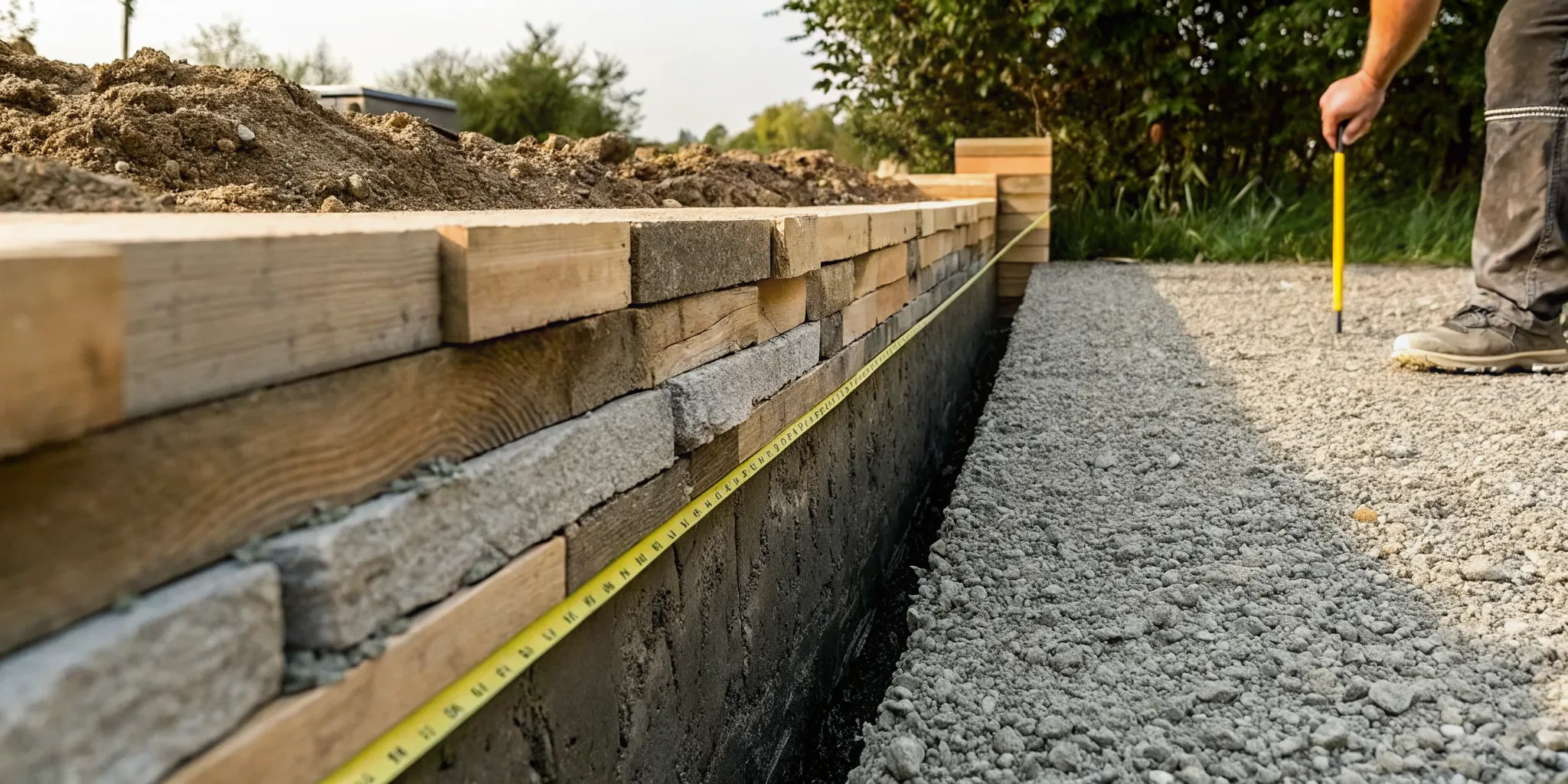
How Deep Should Your Gravel Be for a Driveway vs a Walkway vs a Decorative Bed?
Quick Takeaway: A driveway needs 4 to 6 inches of surface gravel with a total built-up depth of 12 to 18 inches across multiple layers. Walkways need about 2 to 3 inches, and decorative beds need roughly 2 inches. Depth varies by use because vehicle traffic demands structural support that foot traffic and landscaping do not.
The right depth depends on how much weight the surface will carry and whether the gravel needs to support a stable base. A driveway requires more than a visible top layer. It needs a prepared sub-base, a compacted base, and a surface course that can withstand vehicle traffic. Walkways and decorative beds typically need less depth because they do not carry the same loads. Browse our gravel products to see what is available for your project type.
| Project | Typical depth | Recommended material or construction | Why the depth matters |
|---|---|---|---|
| Driveway | 4 to 6 inches of surface gravel; 12 to 18 inches total | Three layers: sub-base, base, and surface. Crushed limestone is a practical surface choice. | Supports vehicle loads and helps the driveway resist rutting and movement. |
| Walkway | 2 to 3 inches | River rock or another suitable path material over a prepared, reasonably firm surface. | Provides coverage and drainage without the structural depth required for vehicles. |
| Decorative bed | About 2 inches | Decorative rock or gravel laid over a finished bed. | Creates consistent visual coverage while limiting unnecessary material cost. |
For a driveway, the 12- to 18-inch total is not the same as ordering 12 to 18 inches of loose surface rock. Build the depth in layers and compact each layer as the work progresses. The 4- to 6-inch figure describes the finished surface gravel above the structural layers. For more detail on material selection, read our comparison of crushed limestone vs gravel for driveways and paths.
Why should you add material for compaction?
Depth charts commonly describe uncompacted gravel. The Federal Highway Administration notes that ordinary traffic and rainfall can cause most gravels to shrink by at least 20% through compaction. That does not mean adding a random extra 20% to every dimension. It means planning for the material to settle, then checking the finished grade and topping up when necessary. Review the gravel compaction guidance when planning a vehicle-bearing surface.
Soil conditions, drainage, slope, and expected traffic can change the practical recommendation, especially for a contractor driveway or a site with heavy trucks. Contact McCraw Landscape Supply for a quote before ordering if you are unsure whether your project needs a deeper base or a different aggregate.
What Type of Gravel Is Best for North Texas Driveways and Paths?
Quick Takeaway: Crushed limestone works best for driveways because its angular edges interlock under vehicle weight. River rock suits pedestrian paths and decorative features where appearance matters more than stability. Decorative gravel fits beds and borders where the goal is a finished landscape look.
The right gravel depends on how the surface will be used, how much traffic it will handle, and the look you want around your property. For a driveway in North Texas, angular crushed limestone usually provides the most dependable base because the pieces fit together under compaction instead of rolling away. Contact us today for help matching the material to your project.
McCraw Landscape Supply sources premium materials from leading quarries, giving homeowners, contractors, and builders dependable options for local projects in Van Alstyne, Anna, and surrounding communities.
Why is crushed limestone a strong driveway choice?
Crushed limestone has irregular, angular edges that interlock as it is spread and compacted. That structure helps create a firmer driving surface than rounded stone, especially when vehicles repeatedly enter, turn, and park. It is a practical fit for driveways, access lanes, parking areas, and other high-traffic applications.
For a deeper comparison before ordering, read our guide to choosing the right driveway gravel. You can also browse McCraw’s crushed limestone and stone products to compare available materials.
When does river rock work better than crushed stone?
River rock is rounded and decorative, so it is better suited to pedestrian paths, drainage areas, dry creek beds, and landscape transitions than to a working driveway. Its smooth shape gives paths a softer appearance, but it does not lock together as tightly as angular stone under tires. For more inspiration, see our guide on landscaping with river rock in North Texas.
McCraw carries several Colorado River Rock options: Rainbow in 1-2, 2-4, and 6-8 inch sizes. Salt and Pepper in 1-2, 2-4, and 6-8 inch sizes; and Mesa Grey in 1-3 and 4-6 inch sizes. Choose the size based on the scale of the path, drainage feature, or border, and consider how comfortable the surface will be to walk on.
Where should you use decorative gravel?
Decorative gravel is a good choice for planting beds, borders, accents, and other areas where the goal is a finished landscape appearance. It can define a bed and reduce exposed soil, but it is not automatically the right material for a driveway or a direct-flame fire-pit area. Use only media specifically rated for direct flame in the flame area.
If you are still deciding which gravel to order, get a quote from McCraw with your dimensions, intended use, and preferred color or size.
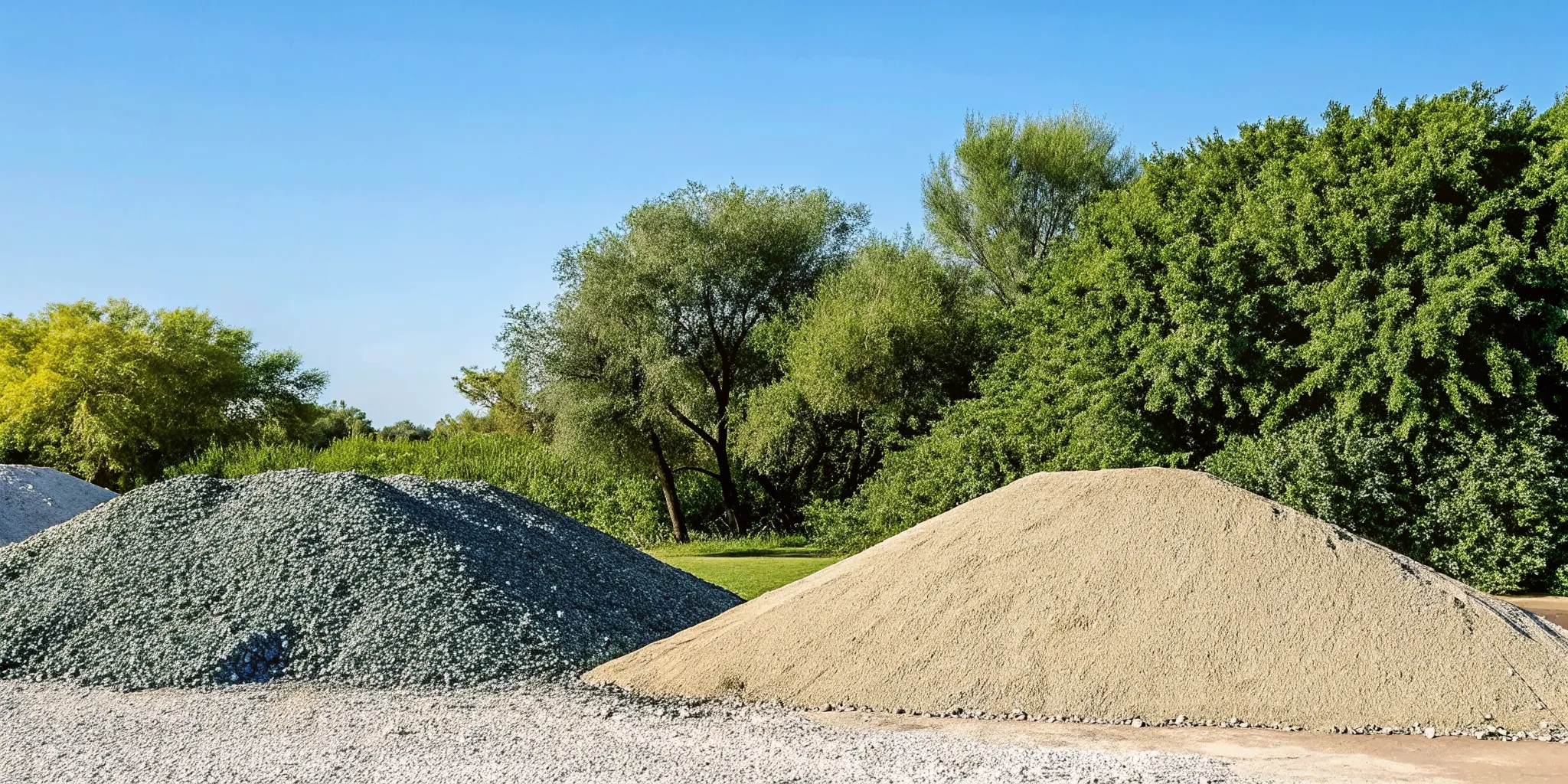
How Many Cubic Yards or Tons of Gravel Do You Actually Need?
Quick Takeaway: Calculate volume in cubic yards by multiplying length, width, and depth in feet and dividing by 27. One cubic yard of gravel weighs roughly 1.4 tons. Order by both volume and weight so you can compare supplier quotes and confirm the right truck size for your site.
Most gravel suppliers price or schedule material by the ton, while project measurements are usually made in feet and inches. Converting between the two helps you order enough material without paying for a large leftover pile. The basic volume formula is supported by the University of Minnesota Extension: 1 cubic yard equals 27 cubic feet. Review the cubic-yard formula if you want to check the math, or use our area calculator for a faster estimate.
How do you convert driveway measurements into cubic yards?
First, convert the planned depth from inches to feet. Six inches equals 0.5 feet. Then multiply the project dimensions and divide by 27. The formula is straightforward.
Length x width x depth in feet / 27 = cubic yards
For example, a 20-foot by 10-foot driveway covered to a depth of 6 inches requires the following math.
20 x 10 x 0.5 / 27 = 3.7 cubic yards
That is the compact volume calculation before allowing for material characteristics, grading, and installation conditions. Use the result as an ordering baseline, then confirm the final quantity with the supplier if the driveway has slopes, multiple layers, or irregular edges.
How many tons is 3.7 cubic yards of gravel?
Gravel weight varies by rock type, moisture, and grading, but 1 cubic yard typically weighs about 1.4 tons. For the driveway example, here is the calculation.
3.7 cubic yards x 1.4 tons = approximately 5.2 tons
A 20-foot by 10-foot driveway at 6 inches deep needs about 3.7 cubic yards, or roughly 5.2 tons, before any additional allowance. Ask for the product’s current weight estimate when ordering, especially if you are comparing crushed limestone with another aggregate. Browse our rock and gravel products to see what is available.
A standard dump truck commonly carries about 15 to 20 tons, so this example is smaller than a full truckload. That does not mean a full load should be ordered. Truck capacity is a maximum, not a recommended quantity. Contact McCraw Landscape Supply for a material and delivery quote before placing a bulk order.
If you are unsure whether your dimensions or depth are correct, get a quote from McCraw before ordering and provide the driveway length, width, depth, and delivery location.
How Does Bulk Gravel Delivery Work in Van Alstyne and Anna?
Quick Takeaway: Prepare a clear, stable drop zone before the truck arrives. Residential driveways and construction jobsites have different access and unloading needs. McCraw offers same-day and scheduled delivery within a 30-50 mile service radius.
Bulk gravel delivery starts with accurate quantity planning, but the drop-off location matters just as much. Before you order, measure the project and confirm where the truck can safely unload. If you are still working out your estimate, use the area calculator, then contact us for a delivery quote based on your material and location.
How should homeowners prepare a residential driveway?
Choose a drop zone that is clear of vehicles, low branches, mailboxes, utility obstacles, and anything else that could interfere with the truck. The surface should be firm enough to support a loaded delivery vehicle. Avoid placing the pile where it will block the only route into your garage or leave no room to spread the material.
Tell the delivery team exactly where you want the load before unloading begins. Gravel is commonly released through a dump or tailgate process, so the driver needs enough room to position the truck and raise or open the bed safely. A tight driveway, steep grade, soft shoulder, or low clearance may require a different unloading plan. For more detail, review our guide to delivery logistics for bulk landscape materials in North Texas.
What should contractors plan for a construction site?
Jobsite deliveries require a clear route from the public road to the unloading area. Confirm that entrances, temporary roads, bridges, and turning areas can accommodate the delivery truck. Keep equipment, materials, workers, and debris out of the planned path. If the site is active or conditions change after rain, share those details when scheduling so the delivery can be planned around safe access.
Gravel, rock, mulch, and sod do not all use the same trucking or material-handling setup. Gravel delivery requirements and pricing can differ from sod delivery, so do not assume one delivery estimate applies to every product on a project. Get a quote from McCraw before scheduling your load and provide the product, estimated quantity, delivery address, and preferred timing.
Can you schedule delivery in Van Alstyne or Anna?
McCraw offers same-day and scheduled delivery within a 30-50 mile radius, subject to availability and route planning. Same-day service can help keep a small project moving, while scheduled delivery gives contractors more control over crews, equipment, and site readiness. Either way, have the drop zone prepared before the truck arrives so the load can be placed safely and efficiently. Delivery to both Van Alstyne and Anna is available.
Frequently Asked Questions
How much driveway will 1 ton of gravel cover?
Coverage depends on the driveway’s length, width, gravel type, and compacted depth. Measure the area and calculate cubic yards before converting to tons, then allow extra material for compaction. One ton is not a reliable flat coverage number for every project, so confirm the estimate with your supplier before ordering.
How do you calculate cubic yards for gravel?
Multiply length in feet by width in feet by depth in feet to find cubic feet, then divide by 27 because one cubic yard equals 27 cubic feet. If the planned depth is 6 inches, convert it to 0.5 feet first. The University of Minnesota Extension formula uses this same conversion.
How much gravel is required for a gravel driveway?
Start with the measured surface area and the depth required for your driveway design. A driveway may need separate base and surface layers, rather than one uniform layer. Because traffic and rainfall can cause most gravel to shrink by at least 20 percent, order enough to account for compaction, as noted in this EPA gravel roads guide.
How much does a 20×20 gravel driveway cost?
There is no dependable price from dimensions alone. The total depends on the selected material, base and surface depth, quantity, delivery distance, site access, and installation needs. Measure the area, choose the material, and request a current quote that separates material and delivery costs.
How many cubic yards of gravel are in a dump truck load?
Truck capacity varies by truck size, material weight, and legal payload, so a load is not a fixed number of cubic yards. Ask the supplier how much the truck can safely carry and compare that capacity with your calculated order. Also confirm where the truck can dump on a residential driveway or construction site.
Ready to Plan Your Gravel Order?
Get a quote or schedule delivery for bulk gravel through our contact page. Accurate measurements and the right material make the difference between a project that goes smoothly and one that needs correction later.
