North Texas lawns often struggle with compacted clay soils that choke out healthy Bermuda and Zoysia grass roots. This local challenge makes regular care hard for families in Van Alstyne and Anna who want a smooth, green yard. Applying the right mix to the surface of your turf can fix these common ground issues.
Lawn topdressing North Texas means laying a thin layer of compost or sand over turf to improve health and level the ground. This practice is key for local Blackland Prairie clay, which packs down easily and stops air and water flow to the roots. By adding rich compost, owners can break up clay and feed the tiny organisms that help thick Bermuda or Zoysia grow. According to Texas A&M AgriLife Extension, annual compost use helps improve soil health and provides food for long-term growth. Whether you choose compost for food or a sand mix for leveling, this process keeps North Texas yards strong against summer heat and heavy spring rains.
Picking the right time and mix for your specific grass type is the first step toward a healthy lawn. You must see exactly what lawn topdressing does for North Texas grass before you begin your work. The path to a better yard starts by knowing
Lawn Topdressing North Texas: What lawn topdressing does for North Texas grass
Lawn topdressing is the way you add a thin layer of soil mix over your grass. Most people in our area use organic compost, sand, or a mix of both. This simple step can fix many common yard problems. It is a key part of lawn topdressing North Texas care plans for local folks and pros. By spreading these mixes, you give your yard the tools it needs to grow in our local weather. It works by filling in the gaps in your soil and adding fresh food to the ground.
Fix heavy clay soil
Many lawns in Van Alstyne and Anna sit on thick Blackland Prairie clay. This type of soil is prone to compaction, which blocks air and water from reaching grass roots. When the ground gets too tight, your grass cannot grow deep or stay strong. It makes it hard for the roots to get the food they need. Adding organic matter like compost helps break up these clay lumps. This change improves soil structure and lets water soak down to the roots. Better air flow also keeps the ground from becoming a hard brick during the hot Texas summer. When the soil stays loose, your grass can build a root system that survives even the worst drought.
Level uneven surfaces
Over time, most yards develop small bumps or low spots. These dips can make mowing hard and may cause water to pool in the wrong places. Pooling water can lead to disease or root rot in your turf. Topdressing is a good way to level these uneven spots without hurting your grass. For this job, many pros use a turf blend made of sand and compost. The sand provides a firm base to fill in the holes, while the compost feeds the grass. This method works well for set lawns like Bermuda sod installation projects that need a flat surface for a clean cut. A level lawn keeps your mower from scalping high spots and makes the grass look uniform and smooth.
Support nutrient flow
Your lawn needs more than just water and sun to stay green. It also needs a healthy world of tiny life living in the soil. Topdressing with compost once a year feeds these tiny helpers. They break down thatch and turn it into food for your grass. This cycle gives your lawn a steady supply of food all through the growing year. Whether you have Zoysia or Bermuda, this extra boost helps the grass grow thick and lush. A thick lawn is the best way to block out weeds and stand up to the sun. It creates a natural carpet that keeps the soil cool on hot days. Spreading these mixes with care lets your grass grow up through the new layer to stay healthy. This keeps your yard looking great without the need for too many sprays.
Sand, compost, or a soil blend: which should you use?
Use compost when your lawn needs organic matter, sand when an established lawn needs minor leveling, and a compatible soil blend when you need both benefits. North Texas homeowners should match the material to their existing soil and turf instead of spreading one mix for every problem.
Need sand for a leveling project? Compare McCraw Landscape Supply’s current sand options before ordering.
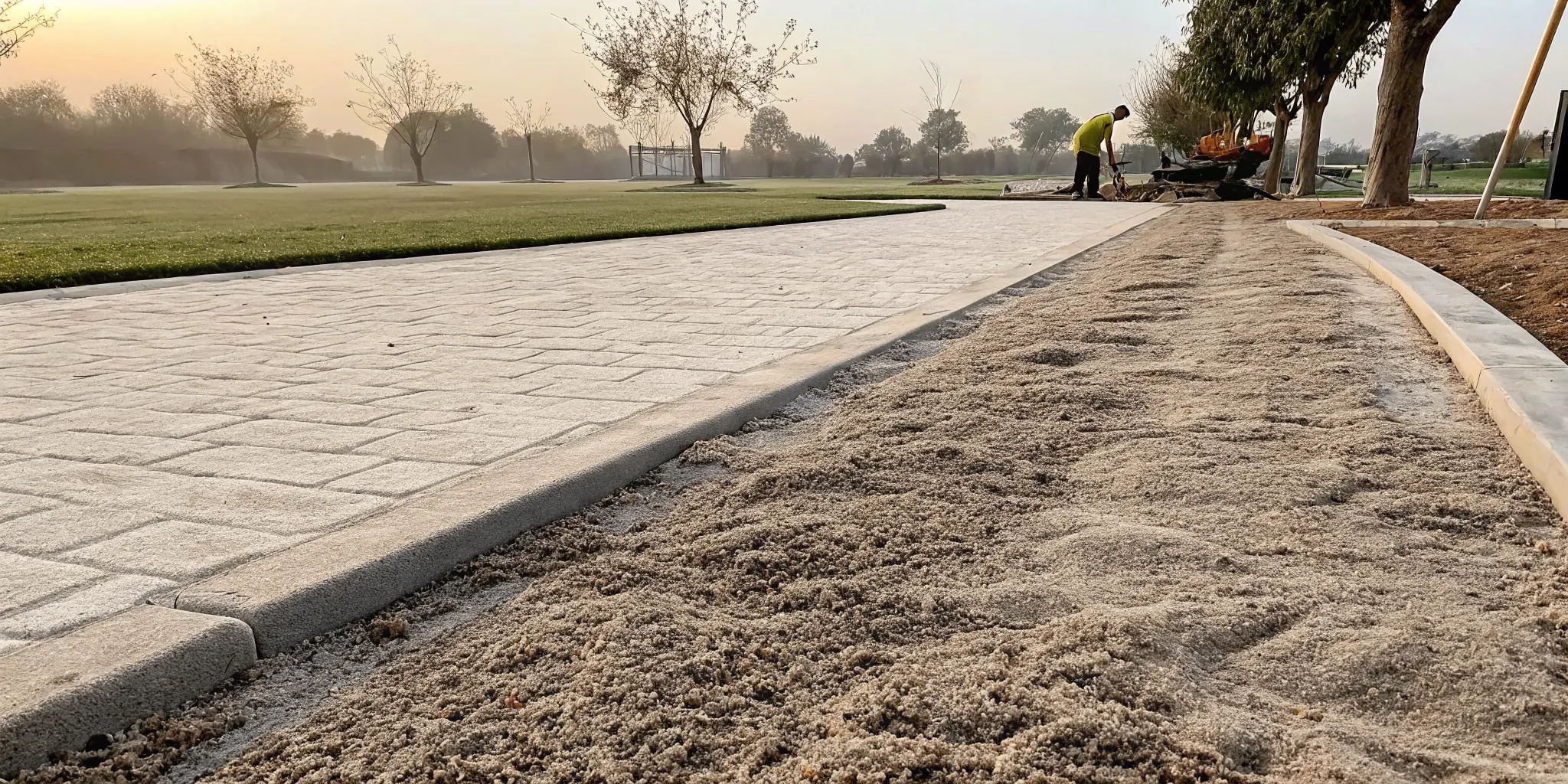
Choosing the right material for your lawn topdressing North Texas project depends on your specific goals. While some homeowners want to fix bumps in their yard, others need to improve the health of their soil. North Texas clay soils are often heavy and prone to compaction. This clay soil problem limits air and water flow to the roots of your grass. Choosing the best mix helps your lawn stay thick and green all year.
The role of organic compost
Pure compost for lawns is the best choice if your goal is soil health. Organic matter helps break up clay lumps in the soil. This change allows more air and water to reach the roots while feeding helpful microorganisms. For established North Texas lawns, applying a thin layer of compost once a year can improve the soil structure without changing the grade of your yard. You should rake the material in well so the grass blades can grow through it easily.
Using sand for leveling
If you have an uneven lawn with low spots, masonry sand or a sand-heavy blend is the standard fix. Sand does not break down over time, which makes it perfect for filling holes and leveling the surface. This is very helpful for Bermuda sod installation because Bermuda grass needs a flat surface for low mowing heights. But sand does not add nutrients to the soil. In heavy clay areas, using only sand can sometimes create drainage issues if it is not mixed with organic matter.
Custom soil and turf blends
Many professional contractors use a mix of both sand and compost. These turf blends give you the leveling power of sand with the nutrient boost of compost. This balanced approach is often the best way to handle the unique needs of a North Texas yard. You get a flatter lawn and better soil at the same time. Whether you have Bermuda or Zoysia sod, a soil blend can help your grass thrive by providing a stable and rich growing base.
| Material | Primary Goal | Best For | Longevity |
|---|---|---|---|
| Pure Compost | Soil Health | Clay improvement | Breaks down annually |
| Masonry Sand | Surface Leveling | Fixing low spots | Permanent fix |
| Turf Blend | Health and Leveling | Full lawn care | Long lasting results |
When you start your project, think about what your grass needs most. A yard with deep holes needs the weight and stability of sand. A lawn that looks thin or yellow might just need the nutrients found in high quality soil prep for North Texas lawns. Using the right material at the start saves time and leads to a much better result for your home landscape.
When is the best time to topdress Bermuda and Zoysia?
The best time to topdress Bermuda and Zoysia in North Texas is during active growth, after the grass has fully greened up and before extreme summer heat. Warm soil and steady growth help the turf recover and grow through a light layer faster.
Timing is the key part of lawn topdressing North Texas jobs. You must wait until your grass is growing quickly and looks healthy before you add any mix. For warm-season grasses like Bermuda and Zoysia, this growth mostly starts in late spring or early summer. Adding a mix too early in the year can smother the lawn while it is still asleep.
Late spring and early summer
The best time for topdressing in North Texas is between late April and early June. During this time, the soil has warmed up enough for the grass to spread and grow. Bermuda and Zoysia need this power to push through the new layer of soil or compost. If you add the mix while the grass is growing fast, your lawn will likely heal in just a few weeks.
You should aim for a day when the weather is mild and the grass is dry. Wet grass makes it hard to spread the mix well across the yard. Experts at Texas A&M AgriLife Extension suggest that you should rake the mix in well. This helps the blades of grass grow up through the new layer instead of getting trapped below it.
Mowing and aeration prep
Before you start, you need to get the top of your lawn ready. It is best to mow your grass a bit lower than you mostly do. For Bermuda grass, keeping the height at about 1.5 inches helps the mix reach the soil more easily. A shorter lawn lets you see the low spots that need more fill. If you are working with Zoysia sod, be careful not to cut the grass too short during this step.
Core aeration is one more helpful step to take before you topdress. Aeration creates small holes in the soil that let air, water, and food reach the roots. This is very helpful for the heavy clay soils found in many North Texas yards. When you add compost for lawns after aerating, the natural matter can fill those holes. This helps break up soil clumping and makes your yard much healthier over time.
Avoiding drought and heat stress
You should avoid topdressing during the peak heat of the summer. In North Texas, July and August are often too hot and dry for the grass to heal well. Adding a layer of mix during a drought can trap heat and stress the roots. This can lead to brown patches or slow growth. If you miss the spring window, it is often better to wait until the weather cools a bit in early fall.
Good watering is also needed after you finish the job. Give your lawn a deep soak to help the material settle into the grass. This also keeps the roots cool as the grass begins to grow through the new layer. Most lawns will look much better and feel flat within 14 to 21 days. Following this plan ensures your lawn stays strong and great throughout the year.
How to topdress a North Texas lawn step by step
To topdress a North Texas lawn, mow and prepare the turf, choose a material that fits the lawn’s needs, spread a thin and even layer, brush it into the canopy, and water lightly. Grass blades should remain visible after application.
Ask McCraw Landscape Supply to confirm your material choice and quantity before you begin.
Topdressing your yard in North Texas can feel like a big job. But this simple task helps your grass grow thick and stay green. Many people in Van Alstyne and Anna use it to fix poor soil. It also helps to level out bumps in the yard. Using a clear plan makes the work much easier.
Prep your grass first
Before you add any soil or compost, you must prep the grass. Cut your lawn shorter than usual. For a Bermuda sod setup, you may want to mow down to about 1.5 inches. This low height lets the new mix reach the ground. If your soil feels very hard, you should open it up first. North Texas clay soils often get packed down over time. This makes it hard for water and air to reach the roots. Breaking up those clay lumps helps the grass breathe. Experts from Texas A&M note that clay soils lack good air flow without proper care.
Pick the best soil mix
The best mix for your lawn depends on your goal. If you want to feed your grass, use good compost. Using compost for lawns helps add organic matter to the soil. This feeds tiny life forms in the dirt. These life forms help break down food for the roots. If your lawn is bumpy, a turf blend might be better. These mixes use both sand and soil to fill in low spots. You want a mix that is free of weeds and large rocks. Sand helps with drainage, while soil provides a base for growth.
Use a clear process
Taking the time to do the job right ensures your grass stays healthy. You do not need fancy tools to get good results. A shovel and a rake are often enough for most yards. If you have a large area, a spreader can help save time.
- Mow your grass low to help the mix settle quickly.
- Aerate the lawn to open up the thick clay soil layers.
- Spread the soil or compost in small piles across the yard.
- Use a wide rake to push the mix into the grass blades.
- Keep the layer thin so you can still see the grass tips.
- Water the lawn well to help the new layer settle down.
Once you finish raking, check the depth of the soil. You should never bury your grass fully. It needs sunlight to make food and stay healthy. If you cover it too much, the grass will stress out. This can lead to bare spots or pests. Aim for a depth of about a quarter inch. This is enough to help the soil but not so much that it kills the turf.
Yearly care is the key to a great lawn in our region. This build-up of organic matter makes your lawn stronger. Over time, your soil will hold more water during dry spells. This is vital during hot Texas summers when rain is rare. Keep an eye on your yard for a few weeks after you finish. You will soon see a deeper green and a smoother surface. This simple project adds value and beauty to your home.
How much topdressing material does your lawn need?
Calculate topdressing by multiplying lawn area in square feet by the planned depth in feet, then divide by 27 to convert cubic feet to cubic yards. Measure carefully and use a shallow application so you do not bury healthy Bermuda or Zoysia.
Getting the right amount of material is the first step to a better lawn. For lawn topdressing North Texas yards, you should aim for a thin layer. Most pros suggest a depth between 1/4 inch and 1/2 inch. This range gives your soil new life without harming the turf. You must be able to see the green blades of your grass after you finish. If you bury the lawn too deep, the grass may struggle to grow through the new layer.
How to find your lawn area
You need to know the size of your lawn in square feet to start your math. Most homes in Van Alstyne and Anna have yards with a clear shape. You can find the area by multiplying the length by the width. If your yard is not a simple square, you can break it into smaller parts. Add those parts together to get the total size. You can also use our area calculator tool to get a fast and sure count for your next order.
Calculate your material cubic yards
Once you have your square feet, you must change that number into cubic yards. This is how we sell our compost for lawns and other soil mixes. To find the volume for a 1/4-inch layer, multiply your total square feet by 0.02. Then divide that number by 27. For a 1/2-inch layer, use 0.04 as your depth number. Using the right depth helps improve soil structure in our local clay ground. Here is a quick look at the math for a 1,000 square foot yard:
- For 1/4 inch: 1,000 times 0.02 divided by 27 is about 0.75 cubic yards.
- For 1/2 inch: 1,000 times 0.04 divided by 27 is about 1.5 cubic yards.
Ask for help with your order
It is always better to double check your count before you buy. If you are not sure about your math, our team can help you find the best amount for your lawn. We know how Bermuda lawn care changes based on your yard’s needs. Give us a call or visit us to talk about your project. We want to make sure you have enough material to get the job done right the first time.
Common lawn topdressing mistakes to avoid
Lawn topdressing in North Texas can help your yard thrive, but only if you do it right. Many people make small errors that lead to big problems. If you ignore the rules, you might kill your grass instead of making it green. Avoid these common traps to keep your lawn healthy and strong.
Applying too much soil
The most common error is burying the grass under too much weight. You must apply a thin layer so the blades can still reach the sun. If you put down more than half an inch, you might smother the turf. It is best to rake the mix in to let the grass grow through it. This keeps the crown of the plant safe from rot and heat.
Using too much soil also hides the low spots you want to fix. It is better to apply small amounts over several months. This slow path lets the yard stay level without hurting the roots. High piles of dirt can block water and lead to thin patches in your lawn. If you see dirt mounds, spread them out until you can see the grass blades poking through.
Choosing the wrong mixture
Not all soil works well for every project. Some people use heavy dirt that packs down and blocks air. In our region, heavy clay soils often stay packed, which stops water from reaching the roots. Using a mix of compost for lawns and sand is often the best choice for smoothing. This blend adds food to the soil while keeping the surface firm.
Pick your mix based on what your yard needs. If you only want to level the ground, sand works well. If you want to feed the grass, use organic matter. Proper soil prep for North Texas lawns will help you avoid layers of dirt that do not mix well together. Using pure sand on top of thick clay can sometimes lead to a hard crust that sheds water.
Ignoring drainage and timing
Never topdress when your lawn is dormant or under stress. Wait until the grass is growing fast in the spring or early summer. This is vital for Bermuda sod and old yards alike. The plants need energy to push through the new soil. If the grass is sleeping, the weight of the mix will just sit on top and cause harm.
Poor prep before you start is another big mistake. You should mow the grass low and remove any trash first. This helps the new soil reach the ground. If you skip these steps, the mix will get stuck in the blades and never help the roots. Also, do not use topdressing to fix deep holes or drainage gaps. Those issues need more work before you add the top layer.
Finally, many people fail to water the yard after the job is done. Watering helps the new soil settle into the turf. Without water, the mix stays on top of the blades and might dry out the grass. A good soak makes sure the food in the mix reaches the roots where it is needed most. Be sure to check your yard for any spots that stay too wet after you water.
Is topdressing the right fix for your lawn?
Topdressing is a good fit for established lawns that need gradual soil improvement, light leveling, or added organic matter. It is not a complete repair for severe drainage problems, major grading defects, or turf that needs replacement.
Topdressing is a great tool, but it is not a fix for every yard problem. It works best for lawns with minor surface dips or poor soil. Many yards in Van Alstyne and Anna sit on heavy clay. This compacted clay soil can block air and water from reaching roots. Adding a thin layer of organic matter helps break up these clay lumps to help lawn health.
When to use topdressing
You should choose topdressing if your grass looks thin or the ground feels very hard. It is the best way to add nutrients back into the dirt without tearing up your yard. Using compost for lawns once a year feeds tiny life in the soil. These small bugs and fungi help your grass grow strong and stay green. If you have small bumps or low spots from settling, a mix of sand and soil can help level things out.
This method is perfect for active lawns like Bermuda lawn care where you want a flat, even surface for mowing. Keeping the ground level keeps your mower from cutting too low in high spots. It also makes the yard safer for kids and pets to run on. For minor leveling and soil feeding, a simple topdressing is often enough to get the results you want.
When you need more than topdressing
Sometimes your lawn needs a bigger fix than just a top layer of soil. If you see large pools of water after a rain, you might have a drainage issue. Topdressing will not fix deep grade problems or big holes. In those cases, you may need to move dirt or put in drains to protect your home. It is also not a fix for grass that died from pests or disease unless you fix the root cause first.
If you are not sure what your yard needs, our team can help you pick the right fix. We can help with soil prep for North Texas lawns to make sure you use the right material. Whether you need a sand mix for leveling or rich compost for growth, getting the right advice saves you time and work. Knowing the limits of topdressing helps you make the best choice for your landscape.
Frequently Asked Questions
When to top dress lawn in Texas?
The best time to top dress your lawn in North Texas is during the late spring or early fall. This timing lets your Bermuda or Zoysia grass grow through the new layer while the weather is mild. Texas experts say you should apply compost once a year to keep the soil healthy. Do not do this in the peak of summer or winter when the grass is under stress.
What is the best top soil for Texas lawns?
For most yards in Anna and Van Alstyne, a mix of good compost and sand is the best choice. This blend fixes the heavy clay soil common in North Texas by adding food and helping water flow. Pure compost is great for feeding the ground, while sand helps level out low spots. Using a turf blend ensures your grass stays strong while creating a flat surface for your mower.
How much is top dressing for lawns?
The cost of top dressing a lawn depends on the measured lawn area, planned application depth, selected material, and whether you spread it yourself. Calculate the quantity first, then contact McCraw Landscape Supply for current product availability and help planning your order.
Is organic compost or sand best for top dressing?
Both items serve different goals for your yard. Organic compost is best for making the soil healthy and breaking up heavy clay. Sand is the top choice for leveling low spots and holes. Most pros use a mix of both to get the best results. This lets you feed the grass and fix the grade at the same time. You should choose the mix that fits your own lawn needs and soil type.
Ready to get the right topdressing for your lawn?
Leaving your North Texas lawn without topdressing can lead to thin grass and poor drainage as the summer heat sets in. If you wait until the grass stops growing, your Bermuda or Zoysia may struggle to recover from the stress of the sun. Starting your project now helps your yard build a strong root system and a level surface before the hot weather hits. You will also avoid the busy spring rush and ensure you have the best soil prep for North Texas lawns. Our team can help you check your soil needs and pick the right products to keep your grass healthy all year. Getting the right amount of material the first time keeps your project on track and helps you see results much faster.
Ready to contact McCraw Landscape Supply for quantity and material-selection help? Call (903) 327-2231 to talk to a landscape material expert today.
