Loose stone can make a North Texas path inviting, or turn it into a weekly maintenance chore. Pea gravel and decomposed granite look similar on a material list, but they behave very differently underfoot.
Compare McCraw Landscape Supply’s rock and gravel options for your North Texas project.
Pea gravel vs decomposed granite comes down to movement, firmness, drainage, and the look you want. Rounded pea gravel stays loose and drains well, making it comfortable for informal beds and seating areas but prone to shifting under feet, wheels, and runoff. Decomposed granite has fine particles that compact into a firm, stable surface, so it often suits paths and patios that need easier walking. Neither option is maintenance-free: edging, proper depth, a prepared base, and occasional raking or replenishment help either material hold up in North Texas yards. Budget for installation and upkeep, not material alone, because site slope, traffic, drainage, and available labor can change which choice costs less over time.
The right choice depends less on which stone looks better in a sample and more on how the finished space must perform. Pea gravel vs decomposed granite at a glance compares the tradeoffs before we match each material to common North Texas projects, so here’s how.
Pea gravel vs decomposed granite at a glance
Pea gravel is loose, rounded, and quick-draining, while decomposed granite compacts into a firmer surface. Choose based on traffic, drainage, furniture, and maintenance needs.
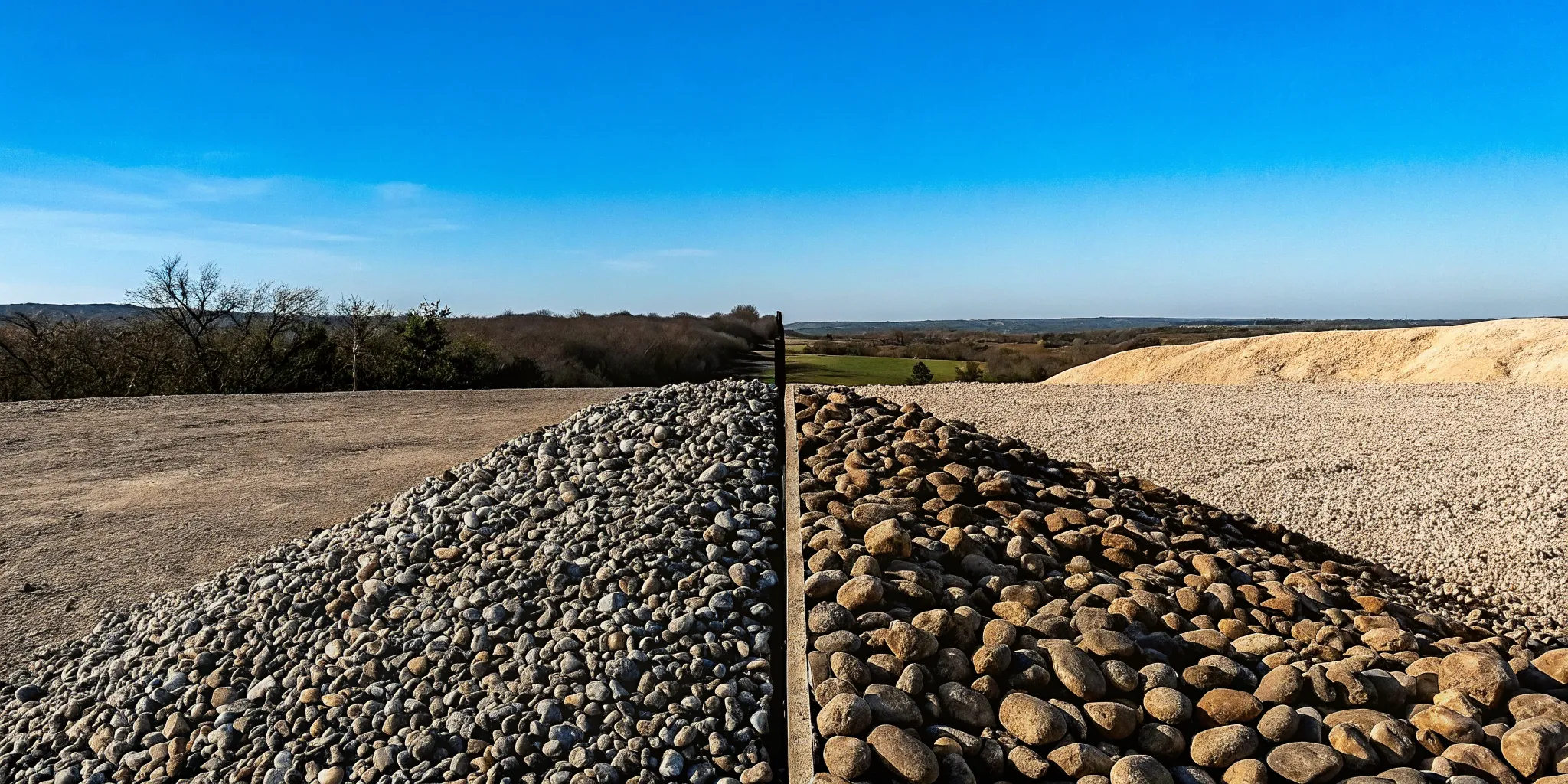
The key difference between pea gravel and decomposed granite is how each surface behaves underfoot. Pea gravel stays loose, rounded, and quick-draining. Decomposed granite, often called DG, has fine particles that pack into a firmer surface.
The quick choice
Choose DG for a busy path, patio, or seating area where a stable surface matters most. Choose pea gravel for decorative beds, drainage zones, and low-traffic spaces where a loose stone look fits the plan.
Neither material is right for every spot. The slope, expected traffic, edging, and planned use should guide the choice. The EPA’s guide to permeable pavement explains how surfaces with open spaces can let rain soak into the ground.
Side-by-side comparison
| Factor | Pea gravel | Decomposed granite |
|---|---|---|
| Surface | Loose, rounded stones that shift | Fine, crushed material that packs firm. |
| Drainage | Water moves through open gaps with ease | Drainage depends on compaction and base prep. |
| Foot comfort | Rounded stones feel softer but less steady | Firm surface gives more stable footing. |
| Furniture | Legs may sink or wobble | Better support for chairs and tables. |
| Upkeep | Needs raking and occasional stone replacement | May need fresh material and recompaction. |
| Best uses | Decorative beds, drainage areas, casual paths | High-use paths, patios, and seating areas. |
This comparison assumes both materials have a sound base and solid edging. Without edging, pea gravel can spread into nearby beds or lawn. DG can also erode or form low spots when water crosses the surface.
What the comparison means for your project
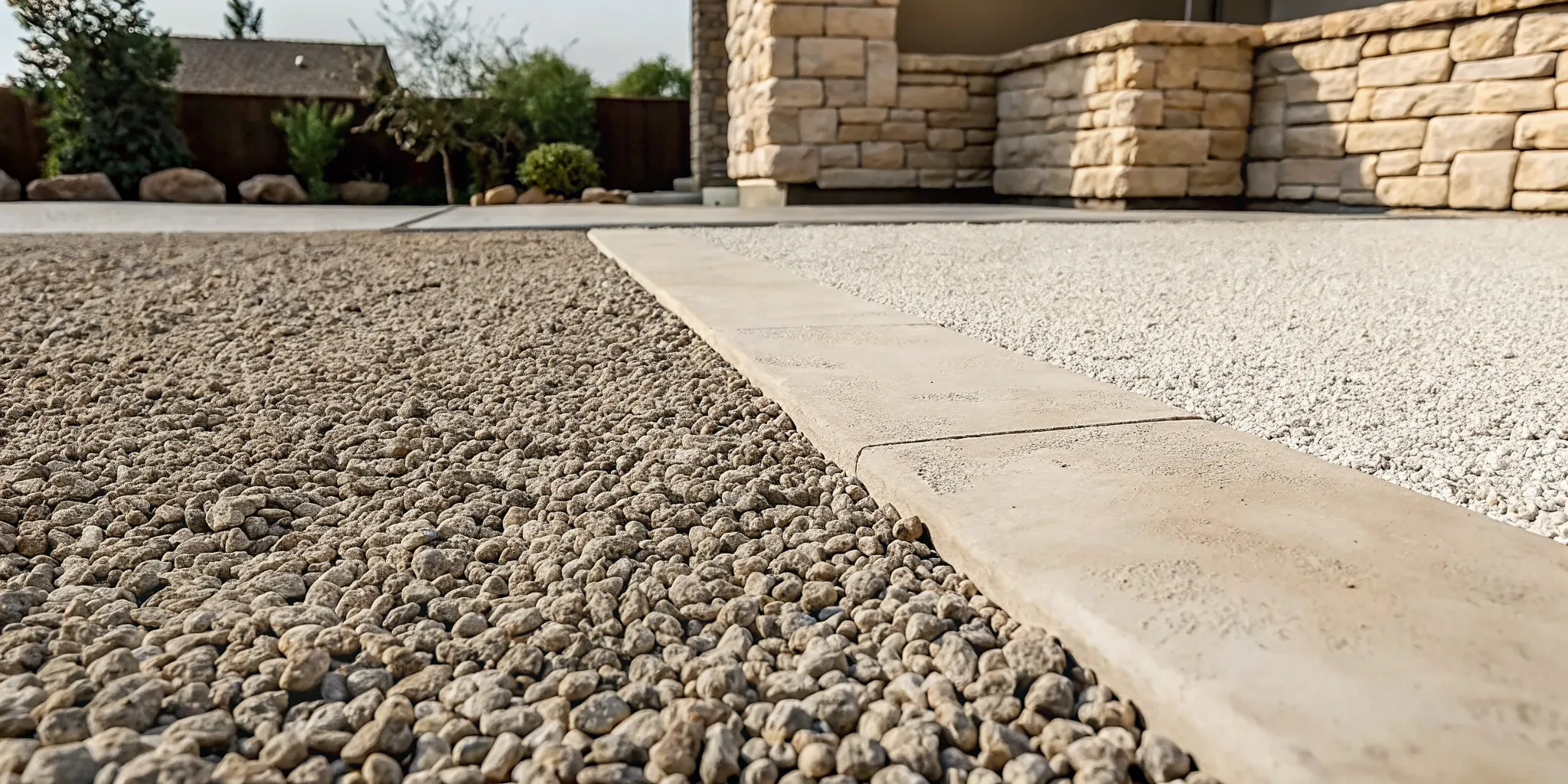
For a North Texas seating area, packed DG usually makes chairs easier to place and move. Pea gravel creates a softer visual edge and handles water well. Its stones still shift with each step.
Think about daily use before choosing a color or stone size. A high-use route needs a firm, well-prepared surface. A decorative drainage strip can benefit from loose stone and open gaps. McCraw Landscape Supply can help you compare the materials before you plan the base and edging.
How North Texas conditions change the decision
North Texas clay, hard rain, heat, and traffic make base preparation and edge control just as important as material choice. Decomposed granite generally provides firmer footing, while pea gravel drains quickly but moves more readily.
Choosing pea gravel vs decomposed granite in North Texas starts below the visible surface. Summer heat, hard rain, and moving clay can expose weak site prep. The right material still needs a stable base, planned drainage, and firm edges.
Movement in Blackland Prairie clay
Blackland Prairie clay expands when wet and shrinks as it dries. That movement can create low spots, uneven paths, and loose edges over time. Neither pea gravel nor decomposed granite can correct an unstable subgrade by itself.
Start by shaping the area so water moves away from buildings and does not sit beneath the path. A compacted aggregate base helps spread loads and gives the finish layer a more even bed. Base depth and compaction should match the site, soil, and expected traffic.
Drainage during hard rain
North Texas storms can move loose material and cut channels through a poorly graded area. Pea gravel allows water through its open spaces, but fast runoff may push the rounded stones downhill. Decomposed granite can form a firmer surface, yet poor drainage may cause ruts or washouts.
The EPA explains how permeable surfaces let rain pass into layers below instead of sending all runoff across the surface. That idea matters for either material. Plan where water enters, where it drains, and what will keep material from leaving the project area.
Heat, traffic, and edge control
Direct sun dries exposed surfaces fast, while shaded spots may stay damp after rain. These swings can make weak base areas settle at different rates. Foot traffic, carts, and tires then speed up surface movement.
Edging is important for both choices. It holds pea gravel in place and protects the sides of a compacted decomposed granite path. Curves, slopes, gates, and downspouts often need extra attention because they direct traffic or water toward an edge.
For a flat decorative area, pea gravel may suit the site’s drainage plan. For a defined walkway, decomposed granite may offer steadier footing when installed over a sound base. The final choice should follow the site’s slope, runoff path, clay movement, and daily use.
Which material fits each landscape project?
Choose decomposed granite for firm, frequently used paths and patios. Choose pea gravel for informal seating areas, decorative beds, and drainage-focused zones where loose stone movement is acceptable.
Paths and high-traffic routes
For a garden path, the pea gravel vs decomposed granite choice starts with how people will use it. Pea gravel feels loose underfoot and shifts as people walk. Its rounded stones can also move beneath wheelbarrows, carts, strollers, and narrow wheelchair tires.
Decomposed granite forms a firmer path when crews install and compact it in thin lifts. That stable surface makes routine foot traffic and rolling loads easier to manage. It may need edging to hold the material and limit spillover into nearby turf or beds.
- Choose pea gravel for informal paths where a loose, natural feel is part of the design.
- Choose compacted decomposed granite for busy routes, work paths, and areas used by wheeled equipment.
- Plan a solid base and firm edges for either material before ordering from McCraw Landscape Supply.
Patios, seating, and landscape beds
Patio furniture exposes the main tradeoff between these materials. Chair and table legs can sink into pea gravel or lean as the stones shift. A compacted decomposed granite patio gives furniture a steadier base, but dropped food and spills can stain the surface.
Pea gravel can still work around a fire pit or casual seating area when furniture has wide feet. Contractors should account for regular raking and occasional stone replacement. Homeowners who move chairs often may prefer a firmer decomposed granite surface.
In landscape beds, pea gravel creates a clear stone layer around plants and can be moved aside for planting. Decomposed granite offers a finer look, but loose fines may mix with soil during later bed changes. Neither choice replaces a bed layout that gives plants enough room and keeps material away from stems.
Drainage-focused zones
Pea gravel is often the more practical surface for a shallow drainage-focused strip because its rounded stones leave visible gaps. Water can move through those gaps when the base below also drains. The EPA overview of green infrastructure explains how systems can filter and absorb stormwater near where it falls.
Decomposed granite can shed more water after compaction, so it suits routes where a firm surface matters more than quick intake. It still needs a planned slope and a safe outlet. Crews should not treat either surface layer as a fix for poor grading, standing water, or a clogged drain.
For a dry creek edge or low-use drainage border, pea gravel is easy to rake back into place. For a service route beside that zone, compacted decomposed granite better supports carts and maintenance gear. Keep the drainage path separate from the travel path when the site allows it.
How to build a longer-lasting gravel surface
A durable gravel surface needs a planned grade, stable base, suitable installed depth, and firm edging. Direct runoff away from the area and finish the material for its intended traffic.
A lasting gravel surface starts below the finish layer. Good planning keeps the material in place and helps water leave the area. The EPA explains how permeable surfaces let water pass through instead of sending it across the site.
Estimate your gravel quantity with McCraw Landscape Supply’s area calculator.
Plan for use and water
Before comparing pea gravel vs decomposed granite, decide how the surface will be used. A quiet garden path has different needs than a driveway or busy work area. Then inspect the site after rain, if possible.
-
Define the use. Mark the full area and note expected foot traffic, vehicles, furniture, or carts. Choose a finish material that suits that use.
-
Inspect grade and drainage. Find low spots, runoff paths, downspouts, and nearby structures. Plan a gentle route that moves water away without washing gravel into the yard.
-
Excavate and prepare the base. Remove loose soil, roots, and other weak material. Do not spread finish gravel straight over unstable North Texas clay. Build a firm, even base that supports the planned use.
-
Install edging. Set sturdy restraints along curves and straight runs before adding the finish layer. Edging limits spread and gives the surface a clean boundary.
-
Place and finish the material. Spread small loads evenly, then rake and settle the surface as the chosen material requires. Check the final grade before the job is complete.
-
Verify quantity. Measure length and width, then account for the planned layer and any base material. Recheck odd shapes so the order covers the full project.
A stable base for North Texas clay
Clay can shift, rut, and hold water when it is not prepared well. A firm base separates the finish material from soft ground and spreads loads across the area. It also makes later raking and touch-ups easier.
Do not guess at excavation or base needs from the surface alone. Soil, slope, drainage, and traffic all affect the plan. For a large driveway or load-bearing area, ask a qualified installer to review the site.
Final checks before ordering
Walk the marked area and confirm every edge, curve, drain path, and access point. Consider where a delivery truck can unload without blocking work. These checks help avoid moving a pile twice.
Bring final measurements and use details to the McCraw Landscape Supply team before placing the order. They can help match the material and amount to the project plan.
Which option is easier to maintain?
Decomposed granite often needs less routine attention on busy paths, while pea gravel is easier to rake and spot-fill but tends to spread more frequently.
Maintenance in the pea gravel vs decomposed granite choice depends on how the space will be used. Pea gravel needs frequent light care, while decomposed granite often needs less attention until its surface develops a problem.
Pea gravel upkeep
Pea gravel stays loose, so foot traffic, pets, tires, and heavy rain can push stones beyond the intended area. Rake the surface back into place as needed, then sweep stray stones off nearby paving. Firm edging helps limit migration, but it will not stop every stone.
Leaves and small debris can settle between the rounded stones. Use a leaf blower on a low setting, or remove debris by hand before it breaks down. Weeds may also appear where windblown soil and seeds collect, even when fabric lies beneath the gravel.
- Rake shallow dips and thin spots before they grow.
- Return loose stones that move outside the border.
- Add fresh pea gravel when the layer looks thin or uneven.
Decomposed granite upkeep
Compacted decomposed granite forms a firmer surface, so it tends to stay put better under steady foot traffic. It still can develop low spots, ruts, or loose areas. Repairs may require adding material, restoring the grade, moistening the surface, and compacting it again.
Drainage deserves attention with either material. Directing water through the site helps reduce washouts, puddles, and material movement. The EPA explains how green infrastructure manages stormwater near where it falls, which supports thoughtful grading around paths and patios.
The lower-maintenance choice by use
For a decorative bed or lightly used sitting area, pea gravel can be easy to refresh with a rake. It may feel demanding beside a lawn, driveway, or busy walkway because the stones spread. A contained area with firm edging makes routine cleanup simpler.
Decomposed granite often feels easier on paths and larger seating areas because the compacted layer stays more stable. Repairs are less frequent, but they take more work when needed. Before ordering, compare the site’s traffic, slope, drainage, and edging with McCraw Landscape Supply’s available materials.
How to choose the right material for your site
Choose by matching the site’s primary use, traffic, drainage, comfort, appearance, and upkeep requirements rather than selecting on appearance alone.
Start with stability and drainage
Begin with the surface’s main job. Decomposed granite compacts into a firmer base, so it often suits paths, patios, and areas with steady foot traffic. Pea gravel stays loose and shifts underfoot. That movement can work well in low-traffic garden areas, but it may frustrate users on a busy route.
Next, watch where water moves after a hard North Texas rain. Loose pea gravel lets water pass through gaps, while compacted granite sheds more water across its surface. The EPA includes permeable pavement among green infrastructure practices that help manage stormwater. Still, either material needs a prepared base and a planned outlet.
Match comfort to daily use
Think about who will cross the area and how often. Rounded pea gravel can feel unstable beneath chairs, carts, wheelbarrows, and narrow shoes. Compacted decomposed granite gives those users a steadier surface. It can also form ruts or soft spots when the base is weak.
Contractors should weigh traffic loads, edging, grade, and future access before ordering. Homeowners should picture routine tasks, such as moving a trash bin or pulling a garden cart. If children or pets will use the space, check the surface texture in person. McCraw Landscape Supply’s material selection can help you compare color and feel before making a choice.
Balance appearance and upkeep
Both materials can create a clean, natural look, but they age in different ways. Pea gravel keeps its rounded texture and can spread beyond its border. Decomposed granite looks more like a solid path after compaction. Its fine particles may track onto nearby paving during wet weather.
Use the following checks to narrow the choice without reducing it to one simple rule:
- Choose pea gravel when drainage, loose texture, and easy spot filling matter more than a firm walking surface.
- Choose decomposed granite when stability and a smoother look matter, and periodic compaction fits the maintenance plan.
- Recheck the base when the area holds water, slopes, or carries frequent traffic. The finish material cannot fix a poor foundation.
- Plan containment with edging strong enough to hold the material through rain, foot traffic, and routine yard work.
The best answer in a pea gravel vs decomposed granite decision comes from the whole site. Compare function, drainage, comfort, style, and upkeep together. A surface that fits all five will perform better than one chosen by appearance alone.
Plan your material order before delivery
Measure the full area, select an appropriate installed depth, account for real jobsite conditions, and confirm quantity and access before scheduling delivery.
Measure the project area
Start with a clear sketch of the space before comparing pea gravel vs decomposed granite. Break curves and odd shapes into smaller rectangles that are easier to measure. Record the length and width of each section, then add those sections together.
Keep every measurement in the same unit to avoid simple order mistakes. The National Institute of Standards and Technology explains the basic units used to measure length. Measure open areas only, and remove spaces taken by edging, large planters, or fixed structures.
Choose the installed depth
Depth depends on the material and how the finished area will be used. A decorative bed, walking path, and driveway do not have the same needs. Base the planned depth on the project design, expected traffic, and the supplier’s guidance.
Do not assume pea gravel and decomposed granite need the same order plan. Their grain shape and finished use can affect site prep, depth, and compaction. Review the available rock and gravel options before you settle on a material.
Allow for real jobsite conditions
Your measured area and planned depth provide a starting point, not a final order by themselves. Some jobs need extra material for compaction, settling, uneven ground, or small losses during installation. The right allowance depends on the product and site, so avoid using one waste rule for every project.
Enter your measurements in McCraw Landscape Supply’s area calculator to build an initial estimate. Then confirm the material, installed depth, site conditions, and estimated quantity with the supplier before scheduling delivery.
- Bring the total measured area and your sketch.
- Explain whether the space is a bed, path, patio, or driveway.
- Share access limits that may affect where the load can be placed.
- Confirm the order estimate before delivery day.
Frequently Asked Questions
Can pea gravel or decomposed granite be installed on a slope?
Both materials can be used on gentle slopes, but site design matters. Loose pea gravel tends to move downhill under foot traffic and heavy rain. Compacted decomposed granite usually stays in place better, although runoff can wash away fine particles. Steeper areas may need terraces, drainage controls, firm edging, or another surface. Ask a landscape professional to evaluate the grade before installation.
Does decomposed granite get muddy after rain?
Properly installed decomposed granite should form a firm surface, but it can soften or track after rain. Problems are more likely when the base drains poorly, the surface has low spots, or runoff crosses the area. Good grading, a prepared base, and routine compaction help limit these issues. Allow the surface to dry before making repairs or adding more material.
How do you stop weeds from growing through pea gravel or decomposed granite?
Start by removing existing weeds and roots before preparing the base. A suitable landscape fabric may reduce weeds from below, but it will not stop seeds from landing on top. Remove new growth early, clear leaves and soil buildup, and avoid disturbing the base. The right weed-control method depends on the site, nearby plants, drainage needs, and intended use.
How often should pea gravel or decomposed granite be replenished?
There is no fixed replacement schedule for either material. Replenishment depends on traffic, drainage, edging, installation quality, and losses from runoff or routine maintenance. Pea gravel may need spot filling where stones spread or form low areas. Decomposed granite may need fresh fines and compaction where the surface erodes or develops ruts. Inspect the area after strong storms and before seasonal use.
Is pea gravel or decomposed granite better around fire pits?
Material choice around a fire pit depends on the fire pit design, local rules, and required clearances from combustible items. Neither surface should replace a noncombustible base specified by the manufacturer or installer. Loose stones may shift beneath chairs, while compacted granite may provide steadier seating. Confirm the full installation plan with local authorities and the fire pit manufacturer before building.
Ready to Choose Gravel for Your North Texas Project?
Waiting to choose your gravel can delay site preparation, stall installation, and leave an unfinished area that becomes harder to manage. Starting now gives you time to compare appearance, drainage needs, upkeep, and installation details before ordering material. A clear decision also helps you plan quantities, coordinate delivery, and avoid rushing important project choices near your preferred start date.
Ready to move from comparison to a practical order plan for your property? Request a quote for landscape gravel to discuss pea gravel or decomposed granite based on your project goals. Share the area, intended use, and timing so the McCraw Landscape Supply team can help you prepare for the next step.
