Sloping yards in Van Alstyne and Anna require durable supplies to stop soil from washing away. Railroad ties are a favorite for local contractors because they stack fast and resist the heat of Texas summers. These heavy timbers create the best foundation for stable garden steps and low walls.
Railroad tie landscaping ideas provide North Texas homeowners and contractors with a rugged, low-cost way to manage height changes and define outdoor spaces in our local area today. These heavy timbers work well for low retaining walls, terraced slopes, and garden steps that can handle the pressure of our local clay soil conditions. According to Gardeningetc, the heavy weight and ease of stacking make railroad ties ideal for terracing steep areas and stopping soil from washing away during rain. You must stagger the joints and anchor them with rebar to create a clean look that adds strength to your yard while using all of your space.
Shop railroad ties for your North Texas project
Seven railroad tie landscaping ideas that work
Railroad ties can shape raised flower beds, define paths, form sturdy steps, terrace a gentle slope, edge a driveway, frame seating, or create a low landscape border. The best idea depends on drainage, soil pressure, and how people will use the space.
Railroad ties bring a rustic look and heavy-duty strength to any North Texas yard. These large beams are perfect for many railroad tie landscaping ideas because they are easy to stack. Whether you want to fix a slope or define a garden, these ties provide a simple way to build structures. At McCraw Landscape Supply, we help homeowners find the right tools for their next project. You can find us in Van Alstyne and Anna to browse McCraw’s railroad tie selection today.
Raised garden beds and planters
Building raised beds is one of the most common uses for heavy wood beams. You can stack the ties like bricks to create deep boxes for flowers or shrubs. Offset the joints between each layer to keep the walls strong. This method adds strength and stops the wood from moving. For the best results, place a gravel base beneath the bottom layer. This helps with drainage and stops the wood from rotting in our Blackland Prairie soil.
Safety is key when you use treated wood in your yard. Many railroad ties contain creosote to protect against pests. The Environmental Protection Agency notes that creosote is a possible carcinogen. Because of this, you should only use these ties for decorative flower beds. Do not use them for gardens where you grow food. If you want to grow food, think about using natural decay-resistant woods like cedar or cypress instead.
Steps and terraced slopes
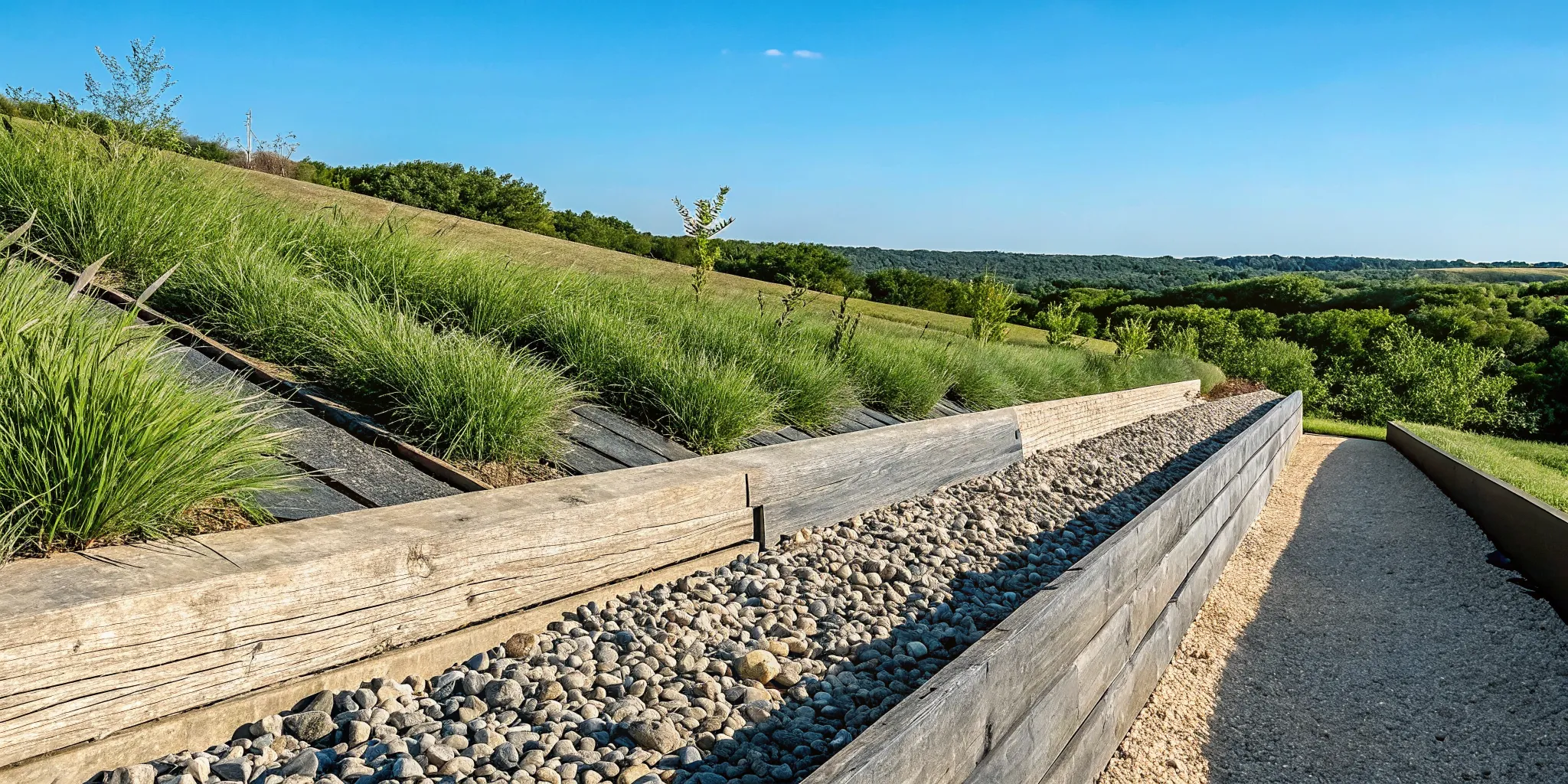
If your yard has a steep hill, railroad ties are ideal for terracing the land. Their heavy weight helps them hold back dirt on a slope. You can build small walls that create flat levels for planting or walking. When you build a wall on a hill, be sure to bury the bottom tier halfway. This helps the wall support the weight of the soil behind it. You should also use geotextile fabric behind the wall to keep dirt from washing through the gaps in the wood.
Broad garden steps are another great way to use these materials. Railroad ties create deep, sturdy steps that look natural in a rustic setting. Since wood can become slippery when it is wet, you can fill the center of the step with gravel or stone pavers. This adds traction and makes the stairs safer for daily use. Always anchor each step deeply into the ground with metal spikes or rebar pins to prevent the ties from moving underfoot.
Paths, seating, and material transitions
You can use ties to create crisp edging for driveways and paths. These beams define the border between your lawn and your stone or mulch areas. This keeps grass from growing into your path and helps hold your materials in place. For a clean look, try setting ties flush with the ground to create a low border for a gravel driveway. You can also use ties as a border around a fire pit or patio area to create a transition between spaces.
When making benches or seating, remember to avoid direct skin contact with the wood. It is best to place a stone cap or a cushion on top of the ties. This protects your skin from any chemicals or splinters. Regular checks are also helpful to find any loose spikes or signs of rot. By following these creative uses for railroad ties, you can build a yard that is both useful and beautiful.
How should you plan a railroad tie project?
Map out your yard and slope
Good planning starts with a clear look at your land. You must find the property lines and check for steep hills. In North Texas, our thick clay soil holds water and grows when wet. This adds force to walls and borders.
Look at where rain flows during big storms to avoid water traps. If you want ways to landscape with ties, start with a simple sketch of the area.
Soil in our area can be hard to work with. The Blackland Prairie clay is known to shift often. This movement can push your wood out of place over time. If the ground is very wet, you may need more stone for the base. This helps the ties stay level and firm even when the ground swells from rain.
Check the load and site access
Decide what your ties will hold. Simple garden edges need less work than a wall that holds back a hill. High loads may need a pro to check the plan for safety.
You also need to plan how to get the wood to the site. These ties are very heavy and hard to move without a truck or extra help. Make sure you have space for a delivery truck near your work zone.
Site access is a big part of the job. You will need a clear path to move the heavy ties from the curb to the yard. If your yard has a fence, check the gate width. Some ties are too long to fit through small gaps.
It is best to have a spot where a truck can drop the load close to where you work. This saves time and prevents problems on the day of delivery.
Choose the right wood
Not all wood is the same. Some ties have creosote, which the EPA considers a health risk. You should avoid these near food or play spots.
For garden beds, you might pick woods that do not rot fast like cedar or oak instead. Before you choose railroad ties for your project, check if they are new or salvaged to know the wood past.
Think about how long you want the project to last. New ties often stay strong longer than old, salvaged ones. Salvaged wood can have cracks or rot that you cannot see at first.
Inspect each piece for big splits before you start to build. Using straight ties makes it much easier to keep your wall or steps level. Good wood is the base for a project that looks great and lasts for years.
- Measure the length and height of the work area to find how many ties you need.
- Use a string line and stakes to mark the path for your border or wall.
- Dig a trench that is wide enough for the wood and deep enough for a gravel base.
- Check the level of the ground and remove high spots in the dirt before you start.
- Set the first layer of wood in the trench and use a level to make sure it is flat.
- Stack the next layers with offset joints and pin them together with rebar or spikes.
- Fill the space behind the wood with crushed stone to help water drain away.
Which railroad tie feature fits your yard?
When you plan your next yard project in North Texas, picking the right wood piece is key. The heavy weight and thick size of railroad ties make them great for our tough Blackland Prairie soil. You can use these ties to solve drainage issues or to add style to your yard.
Before you start, think about how much weight the wood must hold and where it will sit. Our area tool can help you find out how many ties you need for your space.
Durable steps and paths
Railroad ties create strong, rustic steps for sloped yards in Van Alstyne and Anna. Since each tie is heavy, they stay in place better than thin boards. To build them, you must anchor each step deep into the ground.
Use metal spikes or rebar pins to stop the wood from shifting as the soil moves. This keeps your path safe for guests to walk on for many years. You can shop durable railroad ties at our yard to get started on your path today.
A good path also needs a solid base to stay level. Dig a shallow trench and fill it with a layer of crushed stone before you set the ties. This base stops the wood from sinking into the soft mud during a North Texas storm.
It also helps water flow away from the wood. Keeping the ties dry will help them last much longer in the heat.
Raised garden beds and edging
You can use ties to build tall garden beds or simple borders for your lawn. Stacking the ties like bricks makes the walls strong and stable. This is one of the best railroad tie project inspiration for local yards.
But you should be careful with used ties around your plants. The EPA says creosote in the wood can be harmful near food crops or play areas. It is best to use them for flowers or shrubs instead of food plants.
For a clean look, set the ties into the ground so they sit flush with your grass. This makes it easy to mow around the edges without hitting the wood. If you want a tall bed, use at least two layers of wood.
Make sure to drill holes through the ties to drive in your stakes. This keeps the corners tight so the soil does not leak out after a heavy rain.
Low retaining walls and terraces
For yards with steep hills, ties help create flat terraces. These low walls hold back soil and stop water from washing away your lawn. A good wall needs a gravel base at the bottom to help with drainage.
Experts at Clemson University say wood is a common choice for garden borders and beds. But you must plan for water to exit from behind the wall. Without a way for water to drain, the heavy weight can push the wall over.
Building a wall takes more work than a simple garden bed. You must stagger the joints like a brick wall to give it extra strength. For any wall over two feet tall, you should check your local building codes.
In some cases, you may need a pro to help you build it safely. If you have questions about your wall project, you can always contact our team for advice.
| Feature | Best For | Base Work | Dry Needs | Skill |
|---|---|---|---|---|
| Raised Beds | Flower beds | Level soil | Low | Easy |
| Steps | Sloped paths | Stone base | Medium | Mid level |
| Edging | Lawn borders | Shallow trench | Low | Easy |
| Low Walls | Soil terraces | Gravel pipe | High | Hard |
Build for drainage, stability, and longer service
Success with landscape designs using ties starts with a strong plan. These ties are heavy and have great solid weight. But they need more than just weight to stay in place over time. In North Texas, our soil often changes with the weather. Proper prep work keeps your project from shifting or rotting early. You want a build that stays level and drains well for years to come.
Working with heavy wood is hard work. You may need a few people or heavy machines to move each piece. Always wear thick gloves and eye gear when you handle these supplies. This protects you from splinters and the chemicals used to treat the wood. Taking these steps early ensures your project is safe and looks great.
Preparing the base and leveling
The ground must be flat before you lay your first row of ties. If the base is not level, the entire wall or step set will lean. Dig a shallow trench where the first layer will sit. You should bury the bottom tier part way into the ground. This helps the wall hold more weight and stay steady against the soil. Ground contact is a major cause of wood rot, so a solid start is key.
Add a layer of gravel to the bottom of your trench. A gravel base helps water move away from the wood. This prevents the bottom ties from sitting in mud. Sitting in wet dirt causes rot much faster. In our area, the Blackland Prairie clay traps water. A good base layer is the best way to fight this issue. Make sure you pack the gravel down tight so it does not shift later.
Managing water and drainage
Water is the biggest threat to any landscape wall. When rain falls, soil gets heavy and pushes against your ties. This pressure can cause a wall to bow or fail. To fix this, you must give the water a place to go. Fill the space behind your wall with crushed stone or gravel. This path lets water flow down instead of pushing out. It is a simple step that adds years of life to your work.
You should also use landscape fabric behind the ties. Geotextile fabric keeps small bits of dirt from washing through the gaps. If soil leaks out, it can leave holes behind the wall. This weakens the structure and creates a mess. Also, check that your drainage path has an exit. Clear outlets let the water leave the area so it does not pool near the base. Keeping the wood dry is vital for long-term use.
Securing and staggering ties
Build your wall just like a brick mason builds a house. You must shift the joints of each layer. The seam of the top tie should rest on the solid middle of the tie below. This staggering makes the wall much stronger. It prevents straight cracks from forming through the whole wall. A strong bond between layers keeps the structure from splitting under pressure.
To keep everything in place, use metal spikes or rebar pins. Drive these deep through the wood and into the ground. For higher walls, you must pin each layer to the one below it. This stops the wood from sliding out of line. You can find ties for landscape builds that have the even size needed for a level finish. Check your work often for loose pins or signs of rot to catch small issues before they grow.
Finally, think about how the wood will be used. Do not use treated ties for garden beds where you grow food. The EPA warns that some wood treatments are not safe for food areas. For flower beds or borders, they are a great choice. If you have questions about your local soil or project needs, contact our team in North Texas. We can help you pick the right materials for your yard.
Are railroad ties safe for landscaping?
Using railroad ties in your yard adds a rustic look, but you must think about safety first. Most old ties were treated with creosote to help the wood last longer. This chemical protects the logs from pests like termites, but it can also be a health risk if used in the wrong spot. To plan your railroad tie yard projects safely, you need to know which areas of your yard are best for these materials.
Safety with creosote wood
Creosote comes from coal tar and helps wood resist rot for decades. While this makes the ties very strong, the U.S. Environmental Protection Agency (EPA) notes that creosote is a potential carcinogen. Because of this risk, you should not use these ties near food sources or high-traffic areas. This means you should keep them away from vegetable gardens, play areas for kids, or benches where people sit for a long time.
Chemicals from treated wood can seep into the soil over many years. If you want to build a raised bed for food, it is best to choose natural wood alternatives like cedar or oak instead. These woods resist rot without the use of harsh chemicals. If you do use ties for flower beds or retaining walls, make sure they stay in spots where people and pets will not touch them every day.
Safe handling and tools
When you work with railroad ties, you must protect your skin and lungs. Always wear thick work gloves and long sleeves to prevent the wood from touching your skin. If you need to cut the ties, do so only in an open area with plenty of air. You should never cut them in a garage or shed because of the toxic dust they release. Wearing a mask and eye protection is also a smart move to stay safe while you work.
Disposal is another key safety step for your project. You must never burn railroad ties because the smoke carries toxic fumes. In many places, it is illegal to burn treated wood. When you are done with your project, check with your local waste center to see how to get rid of any scrap wood. Some yards need you to cut the wood into short pieces, often four feet or less, before they will take them.
Checking your wood project
Over time, even the strongest wood can change. You should check your ties once a year for signs of rot or loose metal spikes. In North Texas, our Blackland Prairie soil can shift as it gets wet or dry, which might cause your ties to move. If you see big cracks or parts that seem soft, it may be time to swap them out. You can explore McCraw’s railroad ties to replace old ones and keep your project looking great and staying safe.
When does a retaining wall need a professional?
Deciding when to hire a pro for your next yard project is key to safety. While many ideas for building with ties are easy to do on your own, some walls need expert help. A small garden bed border is a fun weekend task, but a wall that holds back a lot of dirt is a new story. If your wall is meant to keep a hill from moving, you should think about the risks. Building it wrong can lead to costly failures and safety issues.
Spotting structural warning signs
You should call a pro if your wall will be over three feet tall. High walls hold a massive amount of weight and put a lot of stress on the wood. If there is a heavy load like a driveway or a shed above the wall, you need a pro. These loads add extra pressure that a standard wall might not handle. Experts know how to use heavy gear to move these large ties and set them right.
Water is also a big factor in wall failure. Poor drainage can cause water to build up behind the ties, which leads to rot and pressure. A pro can set up the right pipes and gravel to keep water from pushing the wall over. They use tools to check the grade and ensure the ground is level before they start. If you see your current wall lean or shift, it is time to get help from a local yard expert.
Building codes and property lines
Permit rules are often the most complex part of a project. Many cities in North Texas have strict laws for walls of a certain height. A pro will know if you need a permit and can help you stay within the law. They also help with finding buried wires and pipes before you start to dig. Cutting or hitting a line can be very risky and costly for an owner.
Land lines also matter for your project. A wall that is too close to a neighbor’s yard can cause legal trouble. A pro can help you find your bounds and stay on your own land. They also manage the wood on-site to prevent harm to nature or health risks. This is vital when you use treated wood that needs careful handling.
Low borders vs structural walls
It is helpful to know the difference between a border and a wall. Wood is a common choice to outline a border for a flower bed. These low borders do not hold much weight and are safe for a DIY look. You can order ties for your yard and use spikes to hold them in place. But once a wall has to hold back a slope, it becomes a structural feature.
Strong walls need deep anchors and a firm base to last a long time. They must be built to handle the unique soil in our area, like the black clay dirt found near Anna. If you are not sure if your wall is structural, it is best to ask. A quick call to a pro can save you from a big mistake. We always suggest talking to a local yard expert when you have doubts about the safety of your wall.
Finish and maintain your railroad tie landscape
A well-built railroad tie feature adds a bold, rustic look to any North Texas yard. To get the most from your landscaping options with ties, you must finish the space with the right items. You also need a plan to keep the wood in good shape for years to come. Proper care helps you avoid costly repairs and keeps your outdoor space safe for your family.
Pairing ties with local items
The dark, heavy look of wood ties pairs well with light-colored stone. You can use rustic landscape materials like river rock or crushed limestone to fill the areas around your new steps or beds. This creates a clean contrast that highlights the wood. It also helps with water flow by keeping puddles away from the base of the wood. Adding a layer of mulch on top of the soil helps hold in moisture for nearby plants.
When you view available railroad ties, think about the final look of the yard. Large landscape boulders can be placed at the ends of a tie wall to give it a natural finish. This blend of wood and stone is a staple in many Van Alstyne and Anna homes. It works well with the local Blackland Prairie soil, which can shift when it gets wet or dry.
Routine storm checks and upkeep
North Texas storms can be very strong. It is vital to check your landscape after heavy rain or wind. Look for signs that the soil behind a wall is washing out. You should also check the wood for any movement or lean. Landscape wood parts often need to be held deep to stay level over time. If you see gaps opening up between the ties, you may need to add more soil or fix the drain lines.
During your check, look at the metal spikes or rebar pins that hold the ties together. If they start to work their way out, tap them back in with a heavy hammer. Loose pins can make the whole structure weak. Also, check for soft spots in the wood. While treated ties last a long time, the parts in direct contact with wet ground can rot over time. Catching these small issues early will save you time and money later.
Safety and long life tips
Most railroad ties are treated with creosote to help them last. This stuff helps protect the wood from pests and rot. But it is vital to remember that creosote is an oil that needs care. You should never use these ties for garden beds where you grow food. They are best for paths, steps, or flower borders where you will not touch the wood top often.
If a tie breaks or rots, you must get rid of it the right way. Never burn treated wood, as the smoke can be toxic. Local waste centers in North Texas often have rules for how to drop off old ties. Some may ask you to cut them into smaller pieces before you bring them in. Keeping your yard tidy and safe is just as important as the first build.
Request help planning your railroad tie project
Frequently Asked Questions
Are railroad ties safe for vegetable gardens?
Most railroad ties are treated with a chemical called creosote. The Environmental Protection Agency warns that this stuff can be harmful. These chemicals may leak into the soil and reach your food. Because of these risks, you should not use them in garden beds or near kids. Use stone or tough wood like cedar instead to keep your home and garden safe.
How do I stop railroad ties from rotting in the ground?
You can slow down rot by keeping the wood dry. Start by digging a trench and filling it with a few inches of gravel. This base lets water drain away from the wood so it does not sit in a puddle. Experts at Gardeningetc say that good drainage is the best way to stop rot. You can also paint the cut ends with a sealer to keep water out.
Can I use railroad ties for a retaining wall on a slope?
Yes, railroad ties work well for slopes because they are heavy and easy to stack. To keep the wall strong, you must stagger the ties like bricks. You should also drive metal spikes or steel rods through the wood into the ground. This helps hold the wall so it does not move or lean. Be sure to add gravel behind the wall to let water flow out and reduce weight against the wood. This step is vital in North Texas where heavy soil can shift.
What can I use instead of railroad ties for landscaping?
If you want a natural wood look without the chemicals, try woods that do not rot fast. According to Clemson University, redwood, cypress, and cedar are good choices that last a long time. While these woods may cost more, they are safer for gardens and play areas. You can also use stone, concrete blocks, or brick for a strong edge. These choices provide a clean look and will not leak toxins into your North Texas soil.
Ready to start your North Texas railroad tie project now?
Wait too long to fix your yard edges and the next North Texas storm could wash away your lawn and lead to high costs. Starting your project today ensures your beds stay in place and your yard stays level before the next big rain hits our area. Set up your order now to beat the spring rush and finish your yard work before the heat of summer arrives.
Ready to request a quote for railroad ties and landscape materials? Our team is here to help you find the best ties for your local North Texas home or job site. Call (903) 327-2231 to talk to a landscape expert and book your order today.
