Standard Texas turf often fails when summer heat often climbs above one hundred degrees. Keeping a green lawn in this heat costs too much money and takes too much work.
Request a rock landscaping quote from McCraw Landscape Supply.
Smart rock landscaping ideas help North Texas folks build yards that can survive the hot sun without constant water use while keeping the ground cool. These designs use strong stones like river rock, flagstone, and granite to create paths and beds that stay nice and clean during a long drought. By swapping grass with stone, you lower water bills and spend less time on yard work while keeping a clean look for your whole home. According to McCraw Landscape Supply, pretty stones like River Rock are often used in our area for saving water and building low-work yards. These rock features add depth and real color to your yard while guarding the soil from the harsh summer sun and helping your plants stay healthy.
Choosing stone over grass is more than just a style choice for folks in Anna or Van Alstyne. It is a practical way to fight the drying effects of a long Texas summer. To see how stones help, we will look at Why rock landscaping works in North Texas heat. The path begins with
Rock Landscaping Ideas: Why rock landscaping works in North Texas heat
North Texas summers are hard on yards. The sun is hot and the ground is clay. Many families use rock landscaping ideas to help their yards last. Rock does not die when the rain stops. It stays the same for years. This makes it a top pick for people in Anna and Van Alstyne. Using stone helps you build a space that looks great in every season.
Saving water and money
One of the best rock landscaping projects is changing grass for stone. Grass needs a lot of water in the heat. Rock needs no water at all. This lowers your water bill and keeps your yard clean during water limits. You can use items like:
- Smooth river rocks for a natural look
- Crushed stone for paths and beds
- Small gravel for easy walking
For areas with sun, stone is a smart choice. It keeps the soil from drying out fast. Mulch can blow away or rot, but rock stays put. You do not have to buy new cover every year. This one-time cost pays off over time. Use different colors to match your home and save on bills.
Strength in clay soil
North Texas has Blackland Prairie soil. This clay moves when it gets wet or dry. The shift can pull on roots or crack decks. Rock is a tough choice because it can shift without breaking. It does not rot or dry out. This makes it a stable item for your beds.
Using river rock landscaping applications around your home also helps with drainage. When it rains, rock lets water soak into the ground. It stops clay from washing away. This protects your yard and home from damage. It is a useful way to deal with North Texas soil and weather.
Low care and smart design
Most people do not want to spend all day mowing. Rock is low care. Once it is down, you do not have to trim it or feed it. It also blocks weeds. This gives you more time to relax. It is a simple way to keep your home looking sharp with little work.
Rock can hold heat in the sun. Studies show rock can raise the air temp by 6 to 8 degrees (pueblo.extension.colostate.edu). To keep your yard cool, use rock with shade trees or plants. Pick light stones to reflect the sun. This helps you use stone without making your space too hot.
Mixing stone adds style to your yard. Use large boulders for a bold look or small gravel for paths. At McCraw Landscape Supply, we help you find the right mix for your North Texas job. Our team knows which rocks work best for our heat. We help you pick the best stone for your yard.
Build inviting paths and patios with flagstone
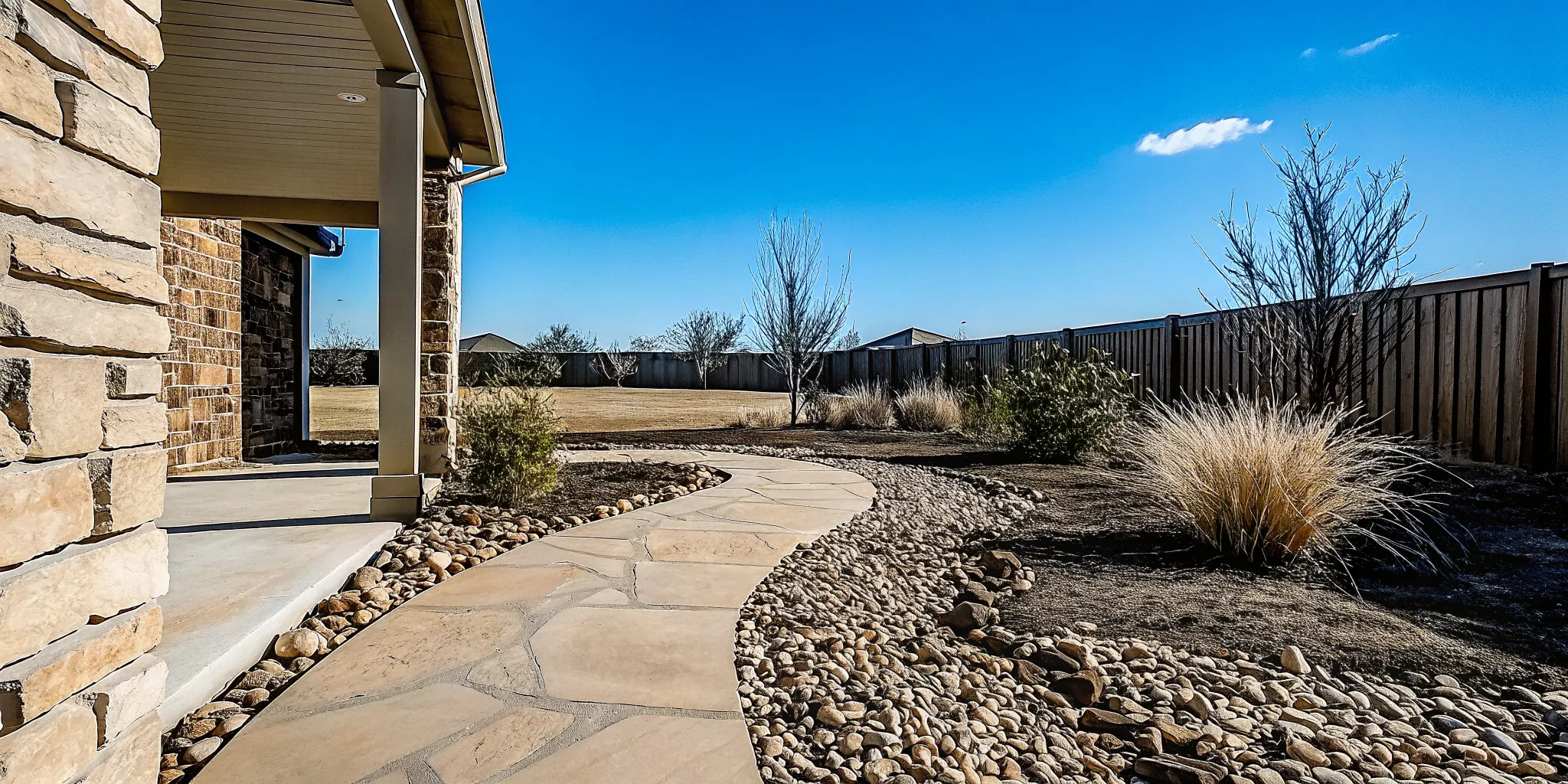
Flagstone is a top choice for making strong patios or paths in North Texas. These flat stones fit well with many rock landscaping ideas that aim for a clean look. In Anna and Van Alstyne, the local soil can be tough, but flagstone stands up to the task. It gives you a flat surface while letting water reach the ground.
Design functional walkways and patios
When you plan a path, think about how you will use the space. For a formal walkway, set the stones close together to create a smooth surface. This makes it easy to walk on and move patio chairs or grills. For a more casual look, try using flagstone as stepping stones. Fill those gaps with mulch or stone to create unique flagstone landscaping ideas for your yard.
Comfort is key for any patio. Choose stones that are mostly flat to prevent trips. Large stones stay in place better and feel stable under your feet. If you want a solid base, try using decomposed granite landscaping ideas to keep everything level. This material helps drainage, which is vital for the local North Texas climate.
Create smooth transitions in your yard
Flagstone bridges different parts of your yard. Use it to lead from a deck to a lawn or garden bed. To make the move feel real, use stones that vary in shape and size. This looks better than poured concrete and lets you curve the path around trees to follow the flow of your land.
Think about the edges of your patio. A stone border keeps your flagstone path from shifting. It also keeps grass from creeping into your walkway. This reduces the work you have to do to keep your yard looking sharp. Local stones make your project look like it belongs in the North Texas area.
Use plants to cool and soften stone
Stone gets very hot in the Texas sun. Research from Colorado State University shows that rock surfaces raise local heat. Large stone areas may even create heat islands that make your yard feel warmer. To fight this, tuck small, hardy plants into the gaps between your flagstones. This helps cool the ground and adds a soft touch to the stone.
Pick plants that love the sun and don’t need much water. Thyme or sedum are great choices for foot traffic. These plants help lower the soil heat and protect your yard. Mixing stone and life creates a space that is both tough and friendly. This is a smart way to use stone without making your home too hot during a North Texas summer.
- Use thick stones for paths that see a lot of use.
- Level the ground before you lay the first stone.
- Leave small gaps for drainage and plant growth.
- Sweep sand into the joints to lock stones in place.
- Pick stones with colors that match your home’s exterior.
Use river rock to turn drainage into a design feature
Water runoff can cause big problems for North Texas yards. Heavy rains often wash away soil and damage plants. Using river rock is one of the best rock landscaping projects to solve this issue. These smooth stones help guide water away from your home while looking like a natural stream. McCraw Landscape Supply offers many colors like Rainbow and Mesa Grey for these tasks. These rocks are popular in the North Texas area because they look great and need little care.
Useful dry creek beds
A dry creek bed is a trench filled with rocks that catches and moves rainwater. It keeps water from pooling in low spots or near your home. When you build one, you must think about the tilt of your yard. Proper grading ensures the water flows where you want it to go instead of sitting in the trench. A slight tilt is all you need to keep the water moving toward a safe exit like a street or a drain.
This project does more than just move water. It adds a lovely focal point to your yard. You can mix different river rock landscaping applications to create a look that fits your style. Large rocks can line the edges while small stones fill the center to mimic a real creek. This layout helps slow down the water, which stops the rocks from moving during a big storm.
- Find the natural path where water flows during a heavy rain storm in your yard.
- Dig a shallow trench along that path that is about twice as wide as it is deep.
- Line the trench with heavy landscape fabric to keep weeds from growing through the rocks.
- Place large boulders or heavy stones along the curves to act as sturdy anchors.
- Fill the rest of the trench with river rock, using small stones in the center for better flow.
- Check the slope to ensure water will move away from your house and toward a drain.
- Add local plants along the edges to help the creek bed blend into your garden.
Soil health and heat management
While rocks are great for drainage, they can also change how your yard feels. Dense rock areas can create urban heat islands that raise local heat by several degrees. This happens because the stones soak up and hold onto heat from the sun all day long. In the hot North Texas summer, this extra heat can stress your grass and nearby trees. It can also make your home more costly to cool in the summer months.
Too much heat in the ground also affects the life inside your soil. High soil heat can change pH levels and make it harder for plants to breathe. This can damage the health of the Blackland Prairie soil that is common in the Anna and Van Alstyne areas. To prevent this, you should mix rock features with green plants. Using rocks for drainage paths instead of covering the whole yard helps keep the land cool and healthy. This balance is key for a yard that looks good and stays strong in the Texas heat.
Create relaxed outdoor spaces with decomposed granite
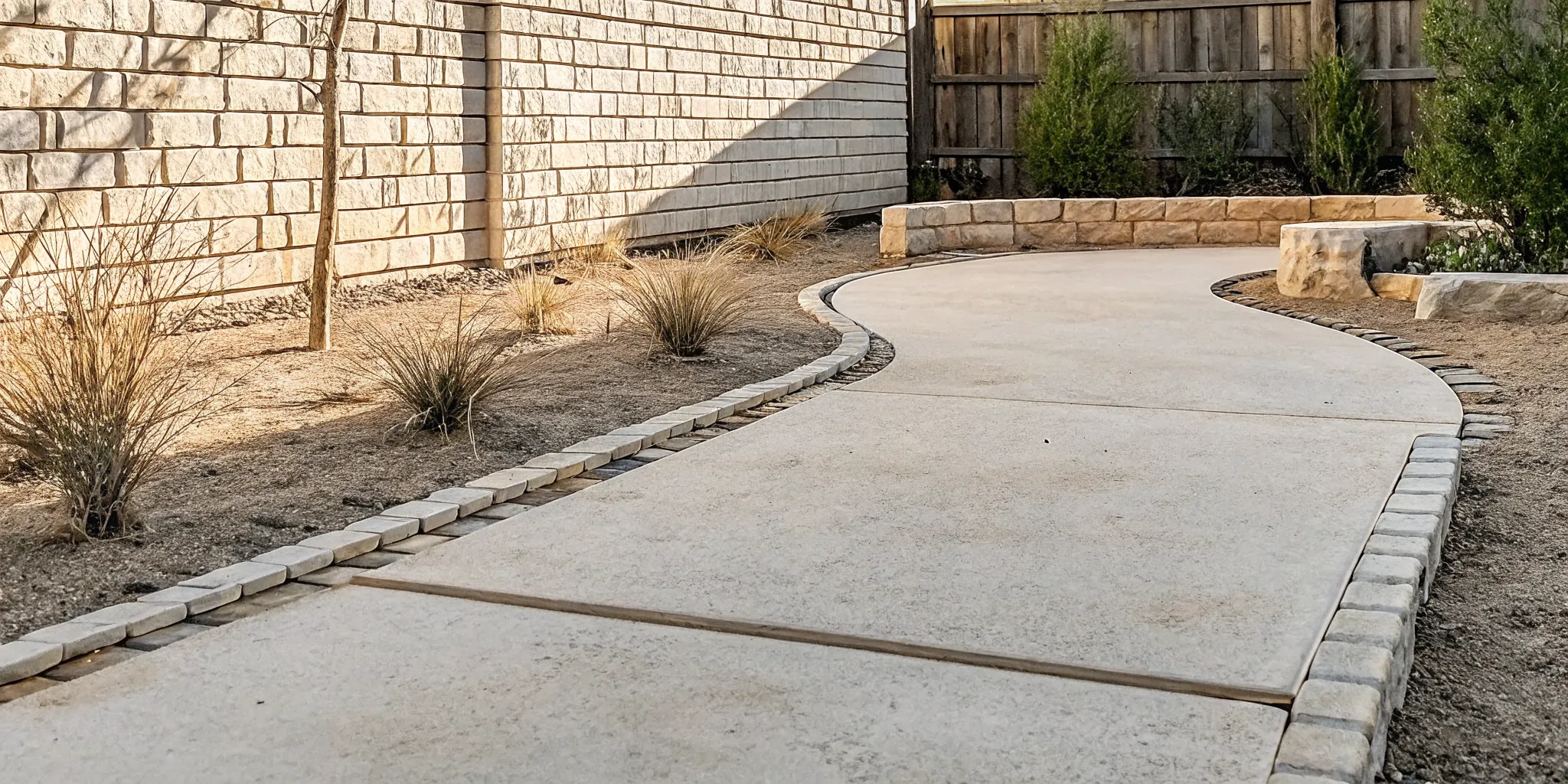
Decomposed granite is a top pick for rock landscaping ideas in North Texas. This material is made of small rock bits that pack down well. It creates a soft, natural look that fits many yard styles. Use it for paths, casual patios, and side yards where grass does not grow well. It is a great way to save water and lower yard work.
Best uses for paths and patios
Most people use this rock for walkways and seating areas. It stays firm when you walk on it but feels softer than concrete. This makes it ideal for decomposed granite landscaping ideas like a fire pit area or a rustic patio. Since the rock is small, it fills in gaps and creates a level surface for your outdoor chairs and tables.
In North Texas, this material helps manage the local Blackland Prairie soil. This soil can shift or crack in the heat. A layer of crushed rock provides a stable base that handles the local weather well. It also allows water to soak into the ground instead of running off. This helps your yard stay healthy during dry spells.
Build a solid base
To get the best results, you need a firm base. First, clear the area and pack down the soil. Many pros add a layer of weed fabric to keep the rocks clean. Then, spread the granite in thin layers and use a heavy tool to pack it down. This prevents the rock from shifting when you walk on it. Adding a bit of water while you pack it can help the pieces stick together.
Proper edging is also a must for these projects. Strong edges keep the rock bits in place and stop them from washing away in the rain. You can use metal, wood, or stone to create a clean border. Good edging also keeps your lawn grass from growing into your new path. This keeps your yard looking neat with less work over time.
Manage heat and runoff
Using rock in your yard can change the local climate. Large areas of rock can absorb and hold onto heat from the sun. Research shows that rock landscaping can raise local temperatures by 6 to 8 degrees. To stay cool, try to mix your granite paths with shade trees or drought-proof plants. This keeps your outdoor space comfy even in the peak of summer.
Plan for rain when you set up your space. While decomposed granite lets some water through, a heavy storm can cause runoff. Slope your paths slightly away from your home’s base. This keeps water from pooling where it could cause damage. With a good plan, you can create a yard that looks great and handles the North Texas sun and rain with ease.
Which landscape rock belongs where?
Picking the right stone is a big part of your rock landscaping ideas. In North Texas, the summer sun can be harsh on your yard. Stones absorb and hold heat. This can make the area around your home much warmer. Studies from Colorado State University show that rock surfaces can raise local temperatures by 6 to 8 degrees. Choosing the best rock for each spot helps you manage this heat. It also keeps your yard looking great.
Real stone for patios and paths
If you want a solid spot to sit or walk, flagstone is a top pick. It is a real stone that stays flat and firm. It works well for flagstone landscaping ideas like patios and formal paths. Flagstone comes in large, thin slabs that fit like a puzzle. These stones are heavy. They stay in place and do not move under your feet.
When you build a patio, think about the color of the stone. Light stones stay cooler in the Texas heat than dark ones. You can set flagstone in mortar for a smooth look. You can also set it in sand for a simple feel. Either way, it gives you a firm surface that is easy to walk on. It will last for many years.
Garden rock for flower beds
For areas where you do not walk much, smaller rocks work well. River rock and pea gravel are common picks for garden beds. River rock has a smooth, round shape from water flow. You can use different river rock landscaping uses to help with drainage. These rocks also add style to your plants. They come in colors like Rainbow and Mesa Grey that look great when wet.
Pea gravel is smaller and has a smooth feel. It is a good pick for casual paths or areas under a play set. Since the stones are small and round, they do move when you walk on them. This makes them less stable than large stones. But they are very easy to spread and keep up.
Drainage and base materials
Some rocks work best behind the scenes. Crushed limestone and decomposed granite are great for bases and drainage. Limestone has jagged edges that lock together when you pack it down. This makes it a strong base for sheds or under pavers. It stays in place and does not wash away in heavy North Texas rain.
Decomposed granite is a fine, sandy rock that packs down tight. It is often used for rustic paths or as a base for other stones. It drains well but can get messy if you do not use a border. Both of these materials are cheap. They work hard to keep your yard stable and dry.
| Rock Type | Best Use | Walking Comfort | Stability | Care |
|---|---|---|---|---|
| Flagstone | Patios and paths | High | High | Low |
| River Rock | Garden beds and drainage | Low | Medium | Low |
| Decomposed Granite | Paths and bases | Medium | Medium | Medium |
| Pea Gravel | Play areas and mulch | Medium | Low | Medium |
| Crushed Limestone | Bases and driveways | Low | High | Low |
How do you prepare a North Texas yard for rock?
Planning your yard is the main step for lasting rock landscaping projects. When you look at new rock landscaping ideas, you will find that a good base is key. In North Texas, our thick Blackland Prairie soil can shift and hold water. Without a good plan, heavy rains can wash your stones away or cause mud to seep through. Good setup work helps you save time and money on your project.
Map your landscape design
Before you dig, you need a clear map of your space. Use a garden hose or paint to mark where the rocks will go. Think about how the water moves when it rains. You do not want to block the path of water and cause puddles near your house. If you are not sure how much rock you need, use an area calculator to get an exact count. This helps you avoid buying too much or running out of stone mid-job.
Prepare the ground for rock
Once your plan is set, you must clear the area. Remove all grass, weeds, and old roots from the site. Dig down about three to four inches to make room for your base and top stone. This depth keeps the rock flush with your lawn or patio. You should also check the soil for drainage issues. If water pools in the spot, you may need to add a slight slope or a drain pipe before you move to the next step.
- Measure the work area. Use a tape measure to find the size of each bed so you buy the right amount of stone.
- Clear the surface. Remove all grass and weeds from the marked space with a shovel or a sod cutter.
- Dig out the soil. Dig down to a depth of three or four inches and keep the bottom of the hole flat.
- Set up the edging. Install a border made of metal or stone to keep your rocks in place and stop grass growth.
- Lay the landscape fabric. Place a layer of heavy-duty fabric over the soil to block weeds while letting water drain through.
- Add the base layer. Spread a thin layer of sand or fine gravel if you want a level surface for flat stones.
- Place your pretty stones. Pour your rock into the bed, rake it flat, and compact the edges to keep them firm.
After you place the rock, spray it down with a hose to remove dust and test the runoff. This reveals the true color of the stone and helps you see how water flows. Rocks can absorb heat and raise the heat of the ground as shown by Colorado State University research. Choosing the right river rock types can help manage this heat. If you need help choosing the best stones for your North Texas yard, you can reach out for a quote on our contact page.
Avoid common rock landscaping mistakes
Planning a project involves more than just picking out stones you like. Many North Texas homeowners rush into new rock landscaping projects without a clear plan. If you skip the prep work or pick the wrong rock for the spot, you could face costly repairs or dead plants later on. Learning what to avoid helps you build a yard that stays beautiful for years.
Poor drainage and water flow
One major error is routing water toward your home base. While rocks can help with runoff, they can also trap water if you do not grade the soil first. You must ensure the ground slopes away from your house before you lay down any stone. Without proper flow, heavy rains in Van Alstyne can lead to pooling water and house issues. Always check your drainage paths to keep your home safe and dry.
Skipping a solid base is another mistake that ruins the look of your yard. Many people place loose stone directly on top of the soil without any cloth or barrier. Over time, the rocks will sink into the dirt, especially in heavy Blackland Prairie clay. Using decomposed granite landscaping ideas for a firm base can help prevent this sinking. A good base and quality edging keep your materials in place so they do not spill onto your grass or drive.
Heat and plant stress
Rocks soak up and hold a lot of heat from the sun. Research shows that rock surfaces can create “heat islands” that raise local heat by about 6 to 8 degrees compared to grassy spots. You can find more details on this effect from Colorado State University Extension. This extra heat can scorch sensitive plants if you place them too close to large stones. In North Texas, where summer sun is intense, you should choose plants that love heat to live near your rocks.
High soil heat also affects how your plants breathe and how they use water. When the soil under the rocks gets too hot, it can change the pH levels and speed up how plants use energy. This stress makes it harder for your garden to thrive. To avoid this, use rocks in areas with more shade or mix them with mulch to keep the ground cooler. Using the right river rock landscaping applications can help you balance look and use without hurting your yard.
Design and material errors
Using too many types of rock can make your yard look messy. It is best to stick to two or three main materials that share similar colors or feel. If you cover your whole yard in just one type of stone, the space might look flat and boring. You can break up the view by using landscape boulders as focal points. Mixing different sizes and shapes of rock adds depth while keeping the design clean and focused.
Finally, avoid putting loose gravel or smooth round stones on steep slopes. These materials tend to roll or slide down when it rains or when people walk on them. For hills, use jagged rocks or heavy stones that lock together to stay in place. Large flat stones like flagstone are much better for paths on a slope. Choosing the right shape for the land ensures your yard stays safe and looks great for a long time.
Frequently Asked Questions
What is the cheapest rock to use in landscaping?
In North Texas, crushed stone or gravel are often the most low-cost options. These rocks work well for large spots where you need a lot of cover. They help with water flow and keep weeds down. For paths, decomposed granite is another cheap choice that provides a firm ground. Always check local prices as they can change based on where the stone comes from and how it is moved.
How to landscape with rocks for beginners?
Start by picking a small spot like a garden edge or a short path. Clear the grass and weeds first. Then lay down a weed cloth to keep the spot clean. Choose rocks that match your home’s look. For instance, river rock or flat stones can add a nice touch. Spread the rocks in a thick layer to block sun from the dirt. This helps stop new weeds from growing.
What is the rule of 3 in landscaping?
The rule of three is a design tip that says you should put things in sets of three. This makes your yard look more real to the eye. You can use three sizes of landscape boulders to make a main point. Using three types of rocks with varied feels can also add a nice look. This simple trick helps keep your yard from looking too even or stiff.
What rock looks best for landscaping?
The best rock depends on your goal and style. Many North Texas homeowners love river rock for its smooth feel and natural colors. If you want a rustic look, flat stones are a great choice for paths. To keep things cool, pick light stones. Research from Colorado State shows that rocks hold heat, so light stones help reflect the sun and protect your plants.
Ready to start your North Texas rock landscape project?
Leaving your yard bare during the hot North Texas summer leads to big problems because the sun dries out the soil and kills your plants. You can avoid high repair costs and the stress of a dying lawn by choosing to add local stone and river rock to your yard today. Starting this week helps your space stay cool and saves you from doing hard work in the heat once the next dry spell arrives. You do not want to wait until your lawn is brown and cracked when a simple project can protect your home right now. Adding rock now means you will save money on water bills and have more time to relax outside with your friends and your family.
Ready to request a quote for landscape rock? Request a quote to talk to a local expert about your project today.
